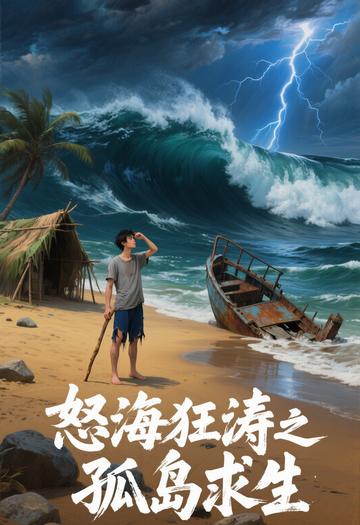
After the storm of the fishing boat crash, sailor Wang Le woke up on the hot beach. This isolated island he named "Hope Island" became his survival island in the next few years. In the first days, he searched for materials from the wreckage of the ship, built a simple hut on the edge of the palm forest, and used the clumsy method of drilling wood to make fire to ignite the first flame. His palms were already covered with blood blisters.
He learned to catch crabs in the crevices of rocks at low tide, climbed trees to pick wild fruits, and searched for fresh water along streams. Island maps and foraging routes were densely drawn in his notebooks. When he was unbearably lonely, he tamed injured seabirds, named a group of wild goats, and carved his daily mood on the cave walls.
When the hut was washed away during the rainy season, he used palm leaves to weave a stronger rainproof shelter. After discovering grain seeds, he cultivated a small plot of farmland beside the stream. When domesticated ewes give birth to lambs, when sown grain sprouts,
He changed from a busy survivor to a survivor who can coexist with nature. The calluses on the palms record this life process of growing up in loneliness and transforming in desperate situations.