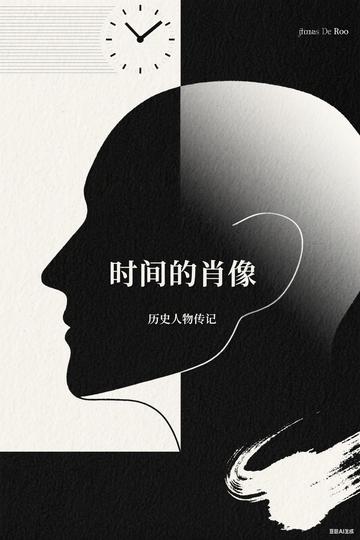
The yellowed biography I found at a used bookstall in Vienna thirty years ago is still pressed under the glass of my desk. The annotation written in pencil by a strange scholar on the title page: "The real history is never the accumulation of chronicles, but the leap of the soul at the pass of destiny." Like a rusty key, it pried open my obsession with the past.
Later, in the archives in Istanbul, I saw the unsent letter written by Napoleon to Josephine. The ink blurred like tears next to the paint. On the microfilm in the Boston library, I read Marie Curie's notes recording the first light emission of the radium element. There were dark spots burned by radiation on the edges of the page. These fragments convinced me that greatness is never in the bold words in textbooks, but is hidden in the folds worn by time - the morning when Xuanzang overturned the water bag in the desert, and the midnight when Beethoven wrote "I want to strangle fate by the throat" in his deaf diary.
Hence this book. I don't want to retell those lives that have been chewed over and over again, but I only want to intercept the steepest moments in their lives: it was the dusk when Sima Qian decided to live in the silkworm room, and it was Van Gogh's last look at the sky before raising his shotgun in the wheat field. These moments are like supernovae in the starry sky, suddenly erupting in the darkness, but they are enough to illuminate the long journey of mankind.
Turning the pages of the book, you will see history burning in their pupils and hear civilization resonating in their heartbeats. This is not a simple retelling of the past, but a timeless tribute to the souls that illuminate the human journey.