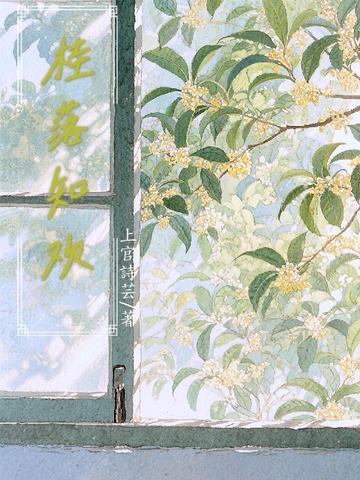
The osmanthus tree in the old house in Kunming remembers everything.
It remembers the day a couple brought a little girl into the courtyard and said they were busy in the city, so the old man would have to look after her. It watched him use his rough fingertips to teach the mute girl the hand sign for "osmanthus," carve a crooked "home" into the bark, and tuck dried petals into her pocket, telling her they were "a keepsake you can carry with you."
It remembers the girl doing her homework by its roots, tracing the two characters for "Grandpa" more deeply than its leaf veins. It remembers the day she got into a university in Beijing, when the old man hugged its trunk and cried, saying he would pick the most fragrant blossoms to brew into wine, then drink it in Tiananmen Square. The jar of osmanthus wine beneath its roots is still waiting, with fresh fingerprints on the seal, for the day its fragrance can truly travel a thousand miles.
It remembers that autumn day, when the wind from the mouth of the alley swept past, carrying the smell of rust. From then on, no one swept up its fallen blossoms in the morning. Only footsteps returned five years later. When the word "Grandpa" finally rolled from her throat, mingling with the petals drifting down, it understood: all these years, it had bloomed with all its might to say, on behalf of the one who could never come back, "I'm still waiting for you."





I don't know, the sourness and bitterness in my heart is always choked and depressed. Why should ordinary people bear the responsibility for their mistakes? They have been living in plain happiness.