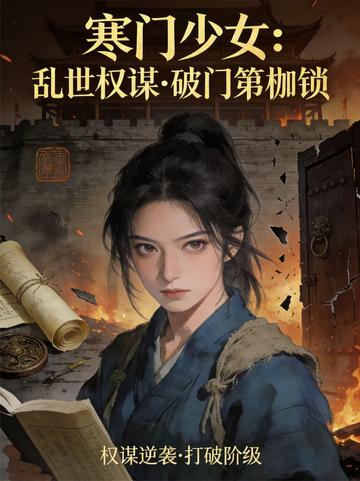
Lu Sheng was originally a master of modern history and politics, but he accidentally traveled to a troubled time similar to the ancient Wei, Jin, Southern and Northern Dynasties. At this time, the country was suffering from internal and external troubles, and aristocratic families controlled the court, leaving children from poor families with no chance of success. Lu Sheng started out as a humble official who was looked down upon by others, but with the help of modern knowledge system, he struggled to survive in this whirlpool of power. In the court, the aristocratic forces headed by the Prime Minister were wary of Lu Sheng's rise and set up obstacles at every turn to destroy the connections and resources she had finally established. As for Lu Sheng, who was from a poor family, it was not easy to break through the class restrictions and gain a foothold in this hierarchical court. On the one hand, she must use modern political and economic knowledge to implement reforms, enhance national strength, and resist foreign enemies; on the other hand, she must face power struggles.
Moral dilemmas in the situation, such as whether to use some dishonorable means to deal with the enemy. During this process, Lu Sheng was slandered by the villain, and everyone misunderstood her deeply. She worked hard to clarify and gradually established her own power. However, when she successfully brought down some villains, she found that she became a bit unfamiliar in the power struggle and gradually lost her original intention. At the same time, the country is facing the countdown threat of external aggression. Lu Sheng must complete reforms and enhance national strength before the enemy forces invade the border. Some swing characters had a crisis of trust with her due to interest issues, and their relationship deteriorated. In the end, can Lu Sheng break through the shackles of family status and reshape the country's order amidst these difficulties, while sticking to his true heart?