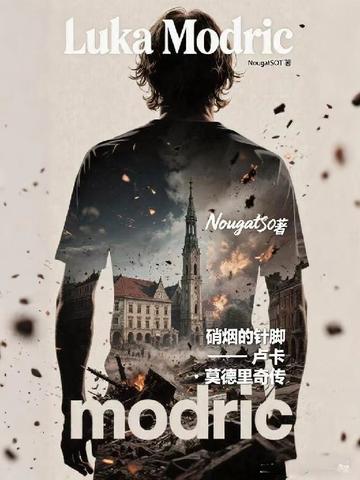
In this football world where superstars and powerful players monopolize narratives, the existence of Luka Modric is itself a subversive fable about the "impossible."
He made a small Balkan country with a population of only four million no longer just a vague coordinate on the map - when Croatia's red and white checkered flag fluttered in the World Cup finals, and when the world's cameras focused on the figure running tirelessly in the midfield, people finally understood: It turns out that one person's story can really make a country's name hot in history.
He took a national team that had never been regarded as a "top team", walked through the smoke of memory, passed over star-studded opponents, and turned the dark horse's script into an epic. No one will forget how in the summer of 2018, the team with an older average age, led by him, broke into the finals like a group of lonely knights - not by relying on crushing talent, but by relying on the tenacity in his bones and relying on the midfield magic he weaved with his feet.
On the Bernabeu lawn, he is no longer a "supporting role next to the superstar." From being skeptical when he first arrived, to becoming the cornerstone of Real Madrid's midfield for three consecutive Champions League titles, he used countless precise passes, key interceptions, and runs in desperate situations to carve out an exclusive chapter for "Modric" in this club that has carried a century of glory. When the 39-year-old was still able to dominate offense and defense in the Champions League, people suddenly realized: greatness has nothing to do with age, but only with paranoia for love.