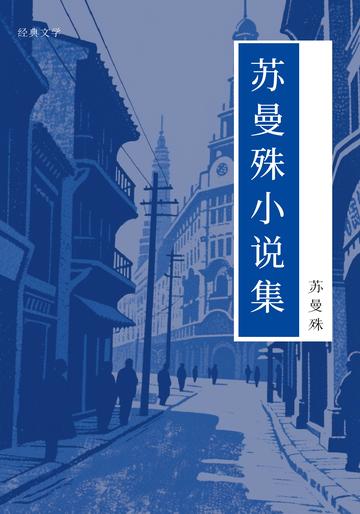
"Su Manshu's Collected Novels" is like a string of tears falling into the river. The water surface seems calm, but at the bottom of the water are the broken shadows of love and sorrow, love and calamity. The opening chapter draws out the exotic love and compassionate life written by a wandering monk. Those emotions that are difficult to express in old-fashioned narratives were written down with blood and tears, making it an unforgettable read.
This book mainly collects several representative novels written by Su Manshu, including "The Lost Goose", "On the Nine Lotus Lake", "Footsteps in the Empty Valley", "The Burning Sword", "The Legacy of the Southern Ming Dynasty", etc. The themes are mostly drawn from the background of cultural exchanges between China and Japan, and the narrative style combines the traditions of the late Qing Dynasty and romantic sentiments. The characters are mostly marginalized identities such as lonely monks, foreign girls, and survivors of patriots. The plot focuses on the sadness of farewell, death, sacrifice, and love, creating a sad, ethereal, poignant and remote atmosphere.
The most representative one, "The Legend of Zero Wild Goose" tells the story of the love affair between a Chinese international student "Gu Hong" and a Japanese girl "Fuyuko". From the chance encounter on the beach, to the private appointment after a lifetime, to the final farewell, the plot is full of fate. The death of Dongzi symbolizes the disillusionment of all ideals, while Gu Hong's persistence in love reflects the author's own emotions. The novel is frequently interspersed with Su Manshu's self-translated Japanese and English poems, as well as images from Buddhist scriptures, giving the work both the lamentation of the times and the beauty of exotic lyricism.
In "The Story of the Burning Sword", a Japanese female student falls in love with a revolutionary hero, but the love ends in her death; "Footsteps in the Empty Valley" describes the lonely journey of a descendant of the survivors in the jungle; these chapters contain both fierce conflicts in the political background and philosophical contemplation of the emptiness of life. The language is elegant, the structure is concise, and the emotions are strong but not vulgar.
Su Manshu's novels are mostly based on personal experience, integrating Buddhist feelings, romantic poetry, and emotions of family and country. The form is greatly influenced by Japanese short stories and Western novels, but it maintains the sense of language of classical Chinese literati. He is a turning point in modern Chinese novels from tradition to self-expression. His works also planted the seeds for the development of literature during the "May Fourth Movement" period.
In short, "Su Manshu's Novels" is not only a literary portrayal of the intertwined souls of a monk and a poet, but also a concentrated expression of emotional writing and cultural changes in the late Qing Dynasty and the early Republic of China. It not only carries the beauty of old dreams, but also reflects the inner struggle and sorrow of intellectuals on the eve of the New Culture Movement. It is a literary legacy worth reading quietly and chewing over and over again.