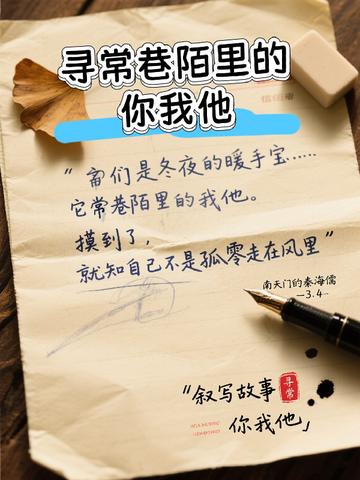
[Destiny overcomes all difficulties, a real dragon emerges from the alley]
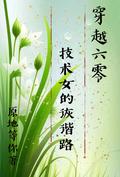
In a period story, in the workshop of a porcelain factory, Qin Hairu, whose father personally delivered the baby, was "failed to survive". His mother was bleeding profusely, and his brothers were kidnapped and humiliated.
In the ordinary streets, he saw the children of high-ranking cadres going abroad and the children of overseas Chinese seeking relatives. They were the only ones who were stuck at the bottom by fate. He lives life with determination, as stubborn as a weed and as stubborn as a wild dog.
Relying on life and hard work, I climbed up from the quagmire!
Everyone who called him "nemesis" back then now depends on him to survive. Can this person, who has been suffering from illness all his life, be able to overcome the disease this time?
Reader comments
The story begins in the 1970s and tells the story of the Qin family's struggles with family, friendship, and love under the social background of that time. I have really sacrificed a lot for my house and my loved ones, and my feelings are truly profound. The inner monologue and plot deeply moved me. The little characters' handling of things was deeply touching to me. Ordinary people, ordinary stories, but spent a lifetime. Life is so short, just a few decades, let us live well. I hope you like this story.
This period novel with the core of "Destiny overcomes all difficulties, and a real dragon emerges from the streets", with its rough and real texture and the ups and downs of the characters' fate, constructs a picture of the times full of life resilience. The most moving part of the work is the portrayal of the protagonist Qin Hairu. He was born in a porcelain factory shed with the heavy label of "forcing his fate to defeat his relatives." This highly symbolic opening destined him to fight unyieldingly against fate throughout his life. The author did not deliberately beautify the lower class, but used almost line drawings to depict his living conditions as tenacious as weeds and as stubborn as wild dogs in the streets. It formed a sharp contrast with the current trend of the times when the children of high-ranking officials went abroad and the refugees came to seek relatives, highlighting the hardship and dignity of individuals surviving in the cracks of the times.
In terms of narrative, the novel skillfully uses the core setting of "life is hard" and wonderfully reverses and sublimates its connotation. From the initial curse and humiliation, "hard life" gradually became his most powerful spiritual core - a kind of "hard strength" and "ruthless strength" that does not bow to fate. His decisive decision to smash the "iron rice bowl" and regain his ancestral business is not only a major turning point in the plot, but also completes the character's sublimation from passively accepting his fate to actively controlling his fate. In the end, those who ridiculed him as his "nemesis" had to rely on his "life extension" setting. It is full of dramatic tension and philosophical meaning, and deeply explores the dialectical relationship between "bad luck" and "tenacity", as well as the ultimate judgment of time on value.
The pattern of the work is not limited to the personal sense of counterattack, but reflects the social landscape and changes in a specific historical period through the experience of Qin Hairu's family being "pinned to the bottom", as well as the rise and fall of the porcelain factory and the change of opponents. Qin Hairu's journey from the quagmire to the compound and back to the dilapidated house is also the epitome of a generation's search for its own position and value in the wave of the times. The question at the end, "Can you beat the disease this time?" Has a long aftertaste, leading the story from secular success to thinking about the ultimate proposition of life, giving the work a depth and literary appeal that goes beyond ordinary period texts.
All in all, this is not only a cool story of "grassroots counterattack", but also a hymn to all ordinary heroes who stick to their dignity in the face of suffering and spend their lives wrestling with their fate. It proves with a solid writing style that the real "true dragon" is not a born noble, but a Taishan Beidou who has survived step by step from the hardships of ordinary alleys and with the "hard spirit" that refuses to admit defeat.
The novel is based on the theme of "Destiny overcomes all difficulties, and a real dragon emerges from the streets". In the rough and true background of the times, it carves out the hottest life resilience of the people at the bottom. The protagonist Qin Hairu was born in the workshop of a porcelain factory with the curse of "forcing one's fate against one's relatives". The author uses almost line drawing to restore his survival attitude as tenacious as a weed and as stubborn as a wild dog in the alleys. It forms a sharp contrast with the current trend of the times when the descendants of high-ranking officials and refugees and overseas Chinese seek relatives, and illustrates the hardship and dignity of individuals surviving in the cracks of the times.
The word "fate is hard" is the soul of the whole book. From the initial curse of humiliation, it is tempered into the spiritual core of Qin Hairu's fight against fate. The decision to smash the "iron rice bowl" and regain his ancestral business completed the character's sublimation from passive acceptance to active control of his destiny; the setting that those who mocked him back then had to rely on him to "continue his life" also hides a profound dialectic of misfortune and perseverance.
The work is not only about the refreshing feeling of grassroots counterattack, but also reflects the social changes of an era through the rise and fall of porcelain factories and the ups and downs of families. The question at the end, "Can we defeat the disease this time?" Leads the story to the ultimate reflection on life, allowing this period novel to escape the shackles of cool writing and possess the literary power to directly touch people's hearts.
In the firewood, rice, oil and salt, you can taste the true flavor of time
This article does not have any ups and downs of earth-shattering plot, but the story about the parents is penetrating. Reading it is like holding a bowl of warm old fire soup, which warms your heart. The atmosphere of the city described by the author is particularly vivid: the cries of hawkers in the alley, the help and bickering between neighbors, the family gathering around the small table to calculate the details of food, rice, oil and salt, as well as the concerns hidden in the simple meals and the warmth wrapped in patched clothes, all accurately reproduce the texture of the old times.
There is no perfect protagonist in the book. The elders have stubborn partialities, and the younger generations have ignorant stubbornness. Even the relationship between husband and wife is full of grinding and tolerance. But it is these imperfections that make the characters particularly real and amiable - just like the uncles and aunts next door in the memories, or the noisy but always tight-knit relatives in your own family. The calculations of haggling over a few cents, the hard work of staying up late to sew for the children's tuition, and the transparency of taking the initiative to make concessions for the sake of neighborly harmony, all hide the simplest wisdom of life and the warmth of humanity.
There are no golden fingers or cool writing routines. This novel uses the plainest writing to restore the true nature of ordinary people's lives in that era: life may be poor, but there is always small beauty to be found; people's hearts may be complex, but they always reveal kindness and enthusiasm at critical moments. After reading and closing the book, it seems that I have followed the people in the book through a slow time. It reminds me of the past events told by my ancestors, and makes me appreciate every moment of stability and warmth in my current life.
After reading these existing chapters, although they only write about trivial matters such as food, rice, oil, and salt, I can see how difficult it is to appreciate the years in trivial matters. Although there is no ups and downs like Shuangwen, the characters are portrayed in a profound way. As written in the author's introduction, these stories are like sorting out old things and should be a record of memory. The world is full of fireworks and true feelings. Ordinary people, ordinary things, and extraordinary writings record extraordinary alley stories and describe the characteristics of that era. It is very immersive and worth reading.
The author weaves the plot with delicate brushstrokes, allowing the characters to breathe freshly in the text. Every detail is hidden in ingenuity, which not only evokes daily resonance, but also inadvertently raises questions about life. When I close the page, the aftertaste is still lingering in my heart. It is not only the end of a story, but also a gentle reminder that in the fast pace, there are still touches and thoughts worth slowing down and savoring.
"You, Me and Him in Ordinary Alleys" is so good at capturing the spirit of the times! Qin Hairu's "hard-fought counterattack" is wrapped in the fireworks of the market. From the porcelain factory shed to the industry leader, there is a burning vitality hidden in the wild energy. The multi-female main story is heart-warming and relatable, the family disputes are heart-warming and empathetic, and the bottom-up comeback is written in a refreshing and real way. It is a good work that captures the passion of life! A must of the year🔥
Ordinary alleys, fireworks in the world, spanning decades of time and space, the story is told slowly, but with ups and downs, the characters are vivid, and have been baptized by the years, none of them are you, and none of them are not you! It is recommended to read it carefully and feel the different vicissitudes of time. [Like][Like][Like]
As the male protagonist grows up step by step, I can't help but sigh: it is just like the sadness and struggle of a generation.
The author depicts the fireworks in the city with a plain writing style, but without shocking plot, he writes deeply about the family story. The characters in the book are real and vivid, full of the running-in and warmth of daily life, and the wisdom of life and the warmth of human nature are hidden in the trivial daily life. Reading it is like drinking the soup of old fire, which warms the heart and makes people cherish the stability of the present.
"You, Me and Him in Ordinary Alleys" is a masterpiece of the times that depicts the fireworks of the city and the resilience of life. It does not have the ups and downs of Shuangwen. It only uses daily necessities, rice, oil and salt as a pen to depict the most realistic human conditions in a short time. Reading it is like holding a bowl of warm old fire soup, which warms the heart.
The author uses almost line drawing to accurately reproduce the texture of the old times: the shouts in the alleys, the help and bickering between neighbors, the warmth by the cinder stove, the warmth in the patched clothes, every detail is full of fireworks. There is no perfect protagonist in the book. The elders are partial, the younger generation are stubborn, and the husband and wife are at odds. But it is these imperfections that make the characters as vivid as the relatives and friends around them. In the daily grind, the simplest life wisdom and human warmth are hidden.
What is even more touching is that the author crushed the mud of life into pieces, wrapped it in blood and tears, and handed it to the readers, but in the most suffocating gaps, he pierced the thorny hope. Qin Jiming's hardness, Mo Yueqing's tenacity, the little man was struggling in the mud, swallowing tears mixed with rainwater, but still holding half a sweet potato and eating it as candy, using the energy of "not admitting defeat" to make the bitter days taste salty and sweet.
This is not only a period story, but also a microcosm of the life of a generation. It allows us to see that the most touching thing is never the heroes, but the mortals who are still willing to carry the sky for their families in desperate situations. Ordinary people and ordinary things are written with extraordinary writing style, describing the difficulties of time and the heat of life. The book is full of empathy and strength.
Qin Jiming has a good heart and knows medical skills, but his life is not easy. This book tells the story of the vicissitudes of the human world, and deeply explores the characteristics of each age group, such as Hairu's timidity and ignorance, his stepmother's partiality and weakness, and other characters, one crying behind bars, one yearning for freedom, deep in heart, you can imagine such a scene in your mind. The description is delicate and vivid, first rising and then falling, the misery, helplessness, and poverty are like a hand holding the book to life. Gao, fire is not a problem!
The opening chapter uses delicate brushstrokes to connect human feelings and memories. The joy of delivering a baby in a work shed is intertwined with the sudden hemorrhage. The scene of heavy rain, a broken shed, and neighbors rushing to help is very powerful. The collision of cold and warm depicts the fragility and pyrotechnic warmth of the fate of the little person.
The work narrates the living conditions of small people through ordinary alleys and human fireworks, and shows the intertwining of the characters' fate and the times through family affection, love, and career. He uses delicate brushstrokes to show pictures of ordinary people's lives and depicts characters with daily details. Wonderful story! Worth reading!
"You, Me and Him in Ordinary Alleys" is so poignant! The author brought Qin Hairu, who had a "hard life", to life - from the weeds at the bottom of the alley to the leader of the porcelain factory, every step of struggle was wrapped in fireworks and tenacity. The writing is vicious and gentle, and the little characters in the folds of the times are written vividly and hotly. It is both refreshing and humane. This is a truly conscientious work of period literature! [Like][Like][Like]
Ordinary harbor and alleys, the fireworks of the world!
The author's writing style is very good, his writing style is delicate, his characterization is meticulous and emotional.
Baptized by time and experienced vicissitudes of time!
Come on! This will be a good piece of work!
With delicate brushwork and keen observation, the author outlines a group of ordinary people in the corners of the city, draws vivid pictures of life for them, and explores the depth and warmth of human nature. After listening and reading, I feel that this book is a beam of light that illuminates the deep corners of our hearts, allowing us to feel the poetry and warmth of new life, and find our own happiness in this ordinary alley.
The author uses delicate writing to present the trivialities and hardships of ordinary people's lives, but from them he extracts the wisdom of cherishing the present life. Tell everyone that happiness is hidden in a simple word of concern and awakening again and again
The writing is good, the story has a sense of the times, the characters are also very unique, the storyline is well designed, and some places are very touching when substituted into reality! Many details can also reflect the growth of the protagonist, which is still very interesting to read! Writing is not easy, please encourage me with five-star reviews
The setting of the period story is eye-catching. The protagonist Qin Hairu has a tough life and a strong heart. He struggles to rise from the bottom, which is so inspiring!
The plot is unconventional, from being rejected to being trusted by everyone, it is full of tension.
The author's writing style is exquisite, and his daily descriptions are vivid. I can't stop following it. It's a five-star masterpiece!
The article begins with the birth of a child due to hemorrhage, and the plot is immediately introduced. Now, in just a few chapters, the unique characteristics of that era are described. The child wants to escape from home, but does not know that the outside world is completely unbearable. It looks a bit sad. I am looking forward to the subsequent plots. It is worth a read. I highly recommend it and will continue reading! !
The writing style is full of pyrotechnics and delicate. There is no heavy ink and color, just a few strokes, which give warmth to the ordinary scenery.
Like an old friend sitting on a wicker chair, slowly telling old stories, every detail is as vivid as before. It is neither fast nor slow to read, but allows people to taste the most authentic sweetness of life in the plain words.
I like it very much, but it's a bit short.
It's a good book that gives a sense of immersion in that era. Sensational and communist, the writing is delicate and vivid. Worth reading. Good reviews and recommendations
The writings of the times are sent from the bottom to attack. Different lives require different paths in life. The world is full of fireworks. There is no quiet time, only unyielding hardship.
Ordinary stories, simple language, and different insights are worth savoring.
It is obviously an ordinary alley story, but it captures the ups and downs of the years! There is no ups and downs in the plot, but the small emotions and choices of each character are wrapped in the weight of life. This kind of down-to-earth delicacy is really rare.
[Like] [Like] [Like] This is a masterpiece worth reading again and again. It has both delicate emotional portrayal and profound thinking about life. It is full of rewards after reading it.
From the porcelain factory workshop to the industry boss, the pyrotechnics are wrapped in a sense of refreshment, the multi-female main line is not suspended, and the parents' short stories are heart-warming. The more I read, the more I realize that the fireworks in the alleys are the most realistic heat of life~" [Like]
It's a beautiful stroke of writing about growth.
The novel is rich in content, delicate in description, clear in structure, vivid in plot and vivid in images. Wonderful, worth staying up late to watch.
A good novel, worth staying up late to read.
Wonderful, a good novel. The content is rich, the structure is clear, the description is delicate, the plot is vivid, and the images are vivid.

The story begins in the 1970s and tells the story of the Qin family's struggles with family, friendship, and love under the social background of that time. I have really sacrificed a lot for my house and my loved ones, and my feelings are truly profound. The inner monologue and plot deeply moved me. The little characters' handling of things was deeply touching to me. Ordinary people, ordinary stories, but spent a lifetime. Life is so short, just a few decades, let us live well. I hope you like this story.
This period novel with the core of "Destiny overcomes all difficulties, and a real dragon emerges from the streets", with its rough and real texture and the ups and downs of the characters' fate, constructs a picture of the times full of life resilience. The most moving part of the work is the portrayal of the protagonist Qin Hairu. He was born in a porcelain factory shed with the heavy label of "forcing his fate to defeat his relatives." This highly symbolic opening destined him to fight unyieldingly against fate throughout his life. The author did not deliberately beautify the lower class, but used almost line drawings to depict his living conditions as tenacious as weeds and as stubborn as wild dogs in the streets. It formed a sharp contrast with the current trend of the times when the children of high-ranking officials went abroad and the refugees came to seek relatives, highlighting the hardship and dignity of individuals surviving in the cracks of the times. In terms of narrative, the novel skillfully uses the core setting of "life is hard" and wonderfully reverses and sublimates its connotation. From the initial curse and humiliation, "hard life" gradually became his most powerful spiritual core - a kind of "hard strength" and "ruthless strength" that does not bow to fate. His decisive decision to smash the "iron rice bowl" and regain his ancestral business is not only a major turning point in the plot, but also completes the character's sublimation from passively accepting his fate to actively controlling his fate. In the end, those who ridiculed him as his "nemesis" had to rely on his "life extension" setting. It is full of dramatic tension and philosophical meaning, and deeply explores the dialectical relationship between "bad luck" and "tenacity", as well as the ultimate judgment of time on value. The pattern of the work is not limited to the personal sense of counterattack, but reflects the social landscape and changes in a specific historical period through the experience of Qin Hairu's family being "pinned to the bottom", as well as the rise and fall of the porcelain factory and the change of opponents. Qin Hairu's journey from the quagmire to the compound and back to the dilapidated house is also the epitome of a generation's search for its own position and value in the wave of the times. The question at the end, "Can you beat the disease this time?" Has a long aftertaste, leading the story from secular success to thinking about the ultimate proposition of life, giving the work a depth and literary appeal that goes beyond ordinary period texts. All in all, this is not only a cool story of "grassroots counterattack", but also a hymn to all ordinary heroes who stick to their dignity in the face of suffering and spend their lives wrestling with their fate. It proves with a solid writing style that the real "true dragon" is not a born noble, but a Taishan Beidou who has survived step by step from the hardships of ordinary alleys and with the "hard spirit" that refuses to admit defeat.
The novel is based on the theme of "Destiny overcomes all difficulties, and a real dragon emerges from the streets". In the rough and true background of the times, it carves out the hottest life resilience of the people at the bottom. The protagonist Qin Hairu was born in the workshop of a porcelain factory with the curse of "forcing one's fate against one's relatives". The author uses almost line drawing to restore his survival attitude as tenacious as a weed and as stubborn as a wild dog in the alleys. It forms a sharp contrast with the current trend of the times when the descendants of high-ranking officials and refugees and overseas Chinese seek relatives, and illustrates the hardship and dignity of individuals surviving in the cracks of the times. The word "fate is hard" is the soul of the whole book. From the initial curse of humiliation, it is tempered into the spiritual core of Qin Hairu's fight against fate. The decision to smash the "iron rice bowl" and regain his ancestral business completed the character's sublimation from passive acceptance to active control of his destiny; the setting that those who mocked him back then had to rely on him to "continue his life" also hides a profound dialectic of misfortune and perseverance. The work is not only about the refreshing feeling of grassroots counterattack, but also reflects the social changes of an era through the rise and fall of porcelain factories and the ups and downs of families. The question at the end, "Can we defeat the disease this time?" Leads the story to the ultimate reflection on life, allowing this period novel to escape the shackles of cool writing and possess the literary power to directly touch people's hearts.
In the firewood, rice, oil and salt, you can taste the true flavor of time This article does not have any ups and downs of earth-shattering plot, but the story about the parents is penetrating. Reading it is like holding a bowl of warm old fire soup, which warms your heart. The atmosphere of the city described by the author is particularly vivid: the cries of hawkers in the alley, the help and bickering between neighbors, the family gathering around the small table to calculate the details of food, rice, oil and salt, as well as the concerns hidden in the simple meals and the warmth wrapped in patched clothes, all accurately reproduce the texture of the old times. There is no perfect protagonist in the book. The elders have stubborn partialities, and the younger generations have ignorant stubbornness. Even the relationship between husband and wife is full of grinding and tolerance. But it is these imperfections that make the characters particularly real and amiable - just like the uncles and aunts next door in the memories, or the noisy but always tight-knit relatives in your own family. The calculations of haggling over a few cents, the hard work of staying up late to sew for the children's tuition, and the transparency of taking the initiative to make concessions for the sake of neighborly harmony, all hide the simplest wisdom of life and the warmth of humanity. There are no golden fingers or cool writing routines. This novel uses the plainest writing to restore the true nature of ordinary people's lives in that era: life may be poor, but there is always small beauty to be found; people's hearts may be complex, but they always reveal kindness and enthusiasm at critical moments. After reading and closing the book, it seems that I have followed the people in the book through a slow time. It reminds me of the past events told by my ancestors, and makes me appreciate every moment of stability and warmth in my current life.
After reading these existing chapters, although they only write about trivial matters such as food, rice, oil, and salt, I can see how difficult it is to appreciate the years in trivial matters. Although there is no ups and downs like Shuangwen, the characters are portrayed in a profound way. As written in the author's introduction, these stories are like sorting out old things and should be a record of memory. The world is full of fireworks and true feelings. Ordinary people, ordinary things, and extraordinary writings record extraordinary alley stories and describe the characteristics of that era. It is very immersive and worth reading.
The author weaves the plot with delicate brushstrokes, allowing the characters to breathe freshly in the text. Every detail is hidden in ingenuity, which not only evokes daily resonance, but also inadvertently raises questions about life. When I close the page, the aftertaste is still lingering in my heart. It is not only the end of a story, but also a gentle reminder that in the fast pace, there are still touches and thoughts worth slowing down and savoring.
"You, Me and Him in Ordinary Alleys" is so good at capturing the spirit of the times! Qin Hairu's "hard-fought counterattack" is wrapped in the fireworks of the market. From the porcelain factory shed to the industry leader, there is a burning vitality hidden in the wild energy. The multi-female main story is heart-warming and relatable, the family disputes are heart-warming and empathetic, and the bottom-up comeback is written in a refreshing and real way. It is a good work that captures the passion of life! A must of the year🔥
Ordinary alleys, fireworks in the world, spanning decades of time and space, the story is told slowly, but with ups and downs, the characters are vivid, and have been baptized by the years, none of them are you, and none of them are not you! It is recommended to read it carefully and feel the different vicissitudes of time. [Like][Like][Like] As the male protagonist grows up step by step, I can't help but sigh: it is just like the sadness and struggle of a generation.
The author depicts the fireworks in the city with a plain writing style, but without shocking plot, he writes deeply about the family story. The characters in the book are real and vivid, full of the running-in and warmth of daily life, and the wisdom of life and the warmth of human nature are hidden in the trivial daily life. Reading it is like drinking the soup of old fire, which warms the heart and makes people cherish the stability of the present.
"You, Me and Him in Ordinary Alleys" is a masterpiece of the times that depicts the fireworks of the city and the resilience of life. It does not have the ups and downs of Shuangwen. It only uses daily necessities, rice, oil and salt as a pen to depict the most realistic human conditions in a short time. Reading it is like holding a bowl of warm old fire soup, which warms the heart. The author uses almost line drawing to accurately reproduce the texture of the old times: the shouts in the alleys, the help and bickering between neighbors, the warmth by the cinder stove, the warmth in the patched clothes, every detail is full of fireworks. There is no perfect protagonist in the book. The elders are partial, the younger generation are stubborn, and the husband and wife are at odds. But it is these imperfections that make the characters as vivid as the relatives and friends around them. In the daily grind, the simplest life wisdom and human warmth are hidden. What is even more touching is that the author crushed the mud of life into pieces, wrapped it in blood and tears, and handed it to the readers, but in the most suffocating gaps, he pierced the thorny hope. Qin Jiming's hardness, Mo Yueqing's tenacity, the little man was struggling in the mud, swallowing tears mixed with rainwater, but still holding half a sweet potato and eating it as candy, using the energy of "not admitting defeat" to make the bitter days taste salty and sweet. This is not only a period story, but also a microcosm of the life of a generation. It allows us to see that the most touching thing is never the heroes, but the mortals who are still willing to carry the sky for their families in desperate situations. Ordinary people and ordinary things are written with extraordinary writing style, describing the difficulties of time and the heat of life. The book is full of empathy and strength.
Qin Jiming has a good heart and knows medical skills, but his life is not easy. This book tells the story of the vicissitudes of the human world, and deeply explores the characteristics of each age group, such as Hairu's timidity and ignorance, his stepmother's partiality and weakness, and other characters, one crying behind bars, one yearning for freedom, deep in heart, you can imagine such a scene in your mind. The description is delicate and vivid, first rising and then falling, the misery, helplessness, and poverty are like a hand holding the book to life. Gao, fire is not a problem!
The opening chapter uses delicate brushstrokes to connect human feelings and memories. The joy of delivering a baby in a work shed is intertwined with the sudden hemorrhage. The scene of heavy rain, a broken shed, and neighbors rushing to help is very powerful. The collision of cold and warm depicts the fragility and pyrotechnic warmth of the fate of the little person.
The work narrates the living conditions of small people through ordinary alleys and human fireworks, and shows the intertwining of the characters' fate and the times through family affection, love, and career. He uses delicate brushstrokes to show pictures of ordinary people's lives and depicts characters with daily details. Wonderful story! Worth reading!
"You, Me and Him in Ordinary Alleys" is so poignant! The author brought Qin Hairu, who had a "hard life", to life - from the weeds at the bottom of the alley to the leader of the porcelain factory, every step of struggle was wrapped in fireworks and tenacity. The writing is vicious and gentle, and the little characters in the folds of the times are written vividly and hotly. It is both refreshing and humane. This is a truly conscientious work of period literature! [Like][Like][Like]
Ordinary harbor and alleys, the fireworks of the world! The author's writing style is very good, his writing style is delicate, his characterization is meticulous and emotional. Baptized by time and experienced vicissitudes of time! Come on! This will be a good piece of work!
With delicate brushwork and keen observation, the author outlines a group of ordinary people in the corners of the city, draws vivid pictures of life for them, and explores the depth and warmth of human nature. After listening and reading, I feel that this book is a beam of light that illuminates the deep corners of our hearts, allowing us to feel the poetry and warmth of new life, and find our own happiness in this ordinary alley.
The author uses delicate writing to present the trivialities and hardships of ordinary people's lives, but from them he extracts the wisdom of cherishing the present life. Tell everyone that happiness is hidden in a simple word of concern and awakening again and again
The writing is good, the story has a sense of the times, the characters are also very unique, the storyline is well designed, and some places are very touching when substituted into reality! Many details can also reflect the growth of the protagonist, which is still very interesting to read! Writing is not easy, please encourage me with five-star reviews
The setting of the period story is eye-catching. The protagonist Qin Hairu has a tough life and a strong heart. He struggles to rise from the bottom, which is so inspiring! The plot is unconventional, from being rejected to being trusted by everyone, it is full of tension. The author's writing style is exquisite, and his daily descriptions are vivid. I can't stop following it. It's a five-star masterpiece!
The article begins with the birth of a child due to hemorrhage, and the plot is immediately introduced. Now, in just a few chapters, the unique characteristics of that era are described. The child wants to escape from home, but does not know that the outside world is completely unbearable. It looks a bit sad. I am looking forward to the subsequent plots. It is worth a read. I highly recommend it and will continue reading! !
The writing style is full of pyrotechnics and delicate. There is no heavy ink and color, just a few strokes, which give warmth to the ordinary scenery. Like an old friend sitting on a wicker chair, slowly telling old stories, every detail is as vivid as before. It is neither fast nor slow to read, but allows people to taste the most authentic sweetness of life in the plain words. I like it very much, but it's a bit short.
It's a good book that gives a sense of immersion in that era. Sensational and communist, the writing is delicate and vivid. Worth reading. Good reviews and recommendations
The writings of the times are sent from the bottom to attack. Different lives require different paths in life. The world is full of fireworks. There is no quiet time, only unyielding hardship. Ordinary stories, simple language, and different insights are worth savoring.
It is obviously an ordinary alley story, but it captures the ups and downs of the years! There is no ups and downs in the plot, but the small emotions and choices of each character are wrapped in the weight of life. This kind of down-to-earth delicacy is really rare.
[Like] [Like] [Like] This is a masterpiece worth reading again and again. It has both delicate emotional portrayal and profound thinking about life. It is full of rewards after reading it.
From the porcelain factory workshop to the industry boss, the pyrotechnics are wrapped in a sense of refreshment, the multi-female main line is not suspended, and the parents' short stories are heart-warming. The more I read, the more I realize that the fireworks in the alleys are the most realistic heat of life~" [Like]
It's a beautiful stroke of writing about growth.
The novel is rich in content, delicate in description, clear in structure, vivid in plot and vivid in images. Wonderful, worth staying up late to watch.
A good novel, worth staying up late to read.
Wonderful, a good novel. The content is rich, the structure is clear, the description is delicate, the plot is vivid, and the images are vivid.