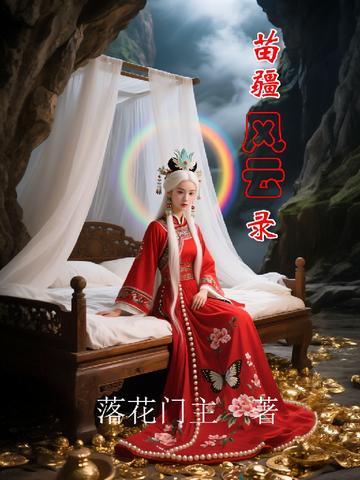
Chronicles of Miaojiang
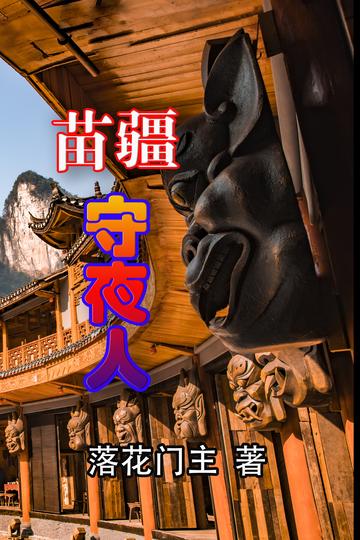
苗疆风云录
- Status
- Completed
- Length
- 1.1M Words
- Genre
- Eastern Fantasy
- Subgenre
- Eastern Cultivation
- Updated
- 11mo ago
- Source
- Fanqie
Synopsis
More by this author

In booklists 14
Any Stories Combining Miaojiang, Gu Poison, and Yandere? Please!
Looking for books like After Failing to Tame the Miaojiang Boy, I Was Imprisoned.
Miaojiang, Two Male Leads, Both Virgins. Looking for the Poison-Using Yandere Type
A Miaojiang Boy Uses a Love Gu to Make Someone Fall for Him
Miaojiang Boy × Clumsy Beauty
Ladies, are there any couples with a Miaojiang boy and a ditzy beauty? I'd prefer the male lead to be a little crazy or yandere. I really want to read this kind of pairing.
Miaojiang Boy, Gu Poison, Yandere
A Pure-Blooded Miaojiang Boy, with No Other Identity!
Miaojiang Boy, Bewitching Everyone, Yandere
Any Stories With a Miaojiang Boy as the Male Lead? He Uses Gu Worms and Is a Little Yandere
Any stories with a male lead who's a young man from Miaojiang, uses Gu, and is a bit of a yandere?
Seeking A Young Man From Miaojiang Who Can Bewitch People
Any Novels About Miaojiang Girls or Boys Who Are Skilled With Gu and Poison?
A Miaojiang Boy Who Raises Gu
Please recommend books about young men from the Miao borderlands.
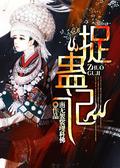
Gu Poison, Miaojiang, and Mystery
Any Stories With a Male Lead Who’s a Miaojiang Boy Skilled in Gu?
Let's Share Some High-Quality Books We've Read Recently
Looking for books like You Want to Send Me to the Countryside? This Researcher's Wife Will Empty Your Whole Family's House. I've been reading this one lately and it's really good: a period novel that's a stress reliever, hilarious, and packed with interesting facts. I recommend giving it a try. If you're passing by, please share some high-quality books you've read, too.
Reader comments 50
Translated by Google Translate
I have watched a lot of same-sexy dramas and wanted to write something. I started working on "Border Town Continuation", but later found that I still knew too little about border towns, so I combined the culture, history, legends, and survival philosophy of the Miao people in western Hunan that I had heard and witnessed for decades, organically combining three parts of history and seven parts of the story to present a series of Miao stories behind the science. The novel integrates its own understanding of the "Luohua Cave Girl", one of the three wonders of the Miao people, into every short story, adding a bit of legendary color. I hope everyone will like it. The novel is constantly being updated, and every fragment is strictly following the process of outline first and then details to ensure that there are no necessary logical gaps. Whenever there are logically related questions in the front, there will be related stories in the follow-up (excluding lack of understanding of Miao culture).
The plot setting of the novel is excellent. There is neither lengthy foreshadowing nor protracted plot filling. Every chapter is full of tension. Tribal conflicts, power games and personal destiny in the troubled Miao border are closely intertwined. From tribal disputes to resistance to oppression, from rivers and lakes grievances to feelings of family and country, the plot progresses layer by layer and is exciting. At the same time, the plot is both "sweet" and "sad". It has a clean emotional line running in both directions that makes the aunt laugh, and a tragic turn of fate that makes people heart-wrenching. The refreshing revenge line, the brain-burning plot line, and the delicate emotional line are intertwined, which fully meets the needs of Tomato readers for rhythm and excitement. It's been a long time since I've read such a soulful novel about the Miao people in western Hunan! The author does not write the Miao Village as a symbol of curiosity, but uses delicate brushstrokes to integrate the mystery of the Shiwanda Mountains, the profoundness of the Miao culture, and the passion of the rivers and lakes. When reading, it feels like traveling to the mist-shrouded secret realm of Western Hunan, and immersively experiencing the customs, grievances, and resentments of the Miao Village. After reading it, you will be full of energy! The most amazing thing is the author's construction of the Miao world in western Hunan, which is so detailed that it is amazing. There are stacks of floors on stilts built against the mountain, with dried herbs and batik cloth hanging on the corridors; in the early morning, the terraces are shrouded in mist, and Miao girls carry bamboo baskets on their backs and step on the dew to collect herbs; on the drum tower deep in the ancient village, the village elders beat bronze drums, and the sound of reed pipes echoes in the valley. These descriptions are not simply a collection of scenes, but filled with fireworks and spirituality, making the mountains, water, and people in western Hunan come alive. Even more amazing is the portrayal of the secret skills of the Miao people. The voodoo technique is no longer a mysterious gimmick, but is deeply bound to the survival wisdom and natural beliefs of the Miao people - the natal voodoo that protects the body, the medical voodoo that saves people, and the array voodoo that protects the village. The use of each voodoo technique fits the plot, and is both magical and reasonable. There are also the herbal treatments of witch doctors, ancient sacrificial rituals, and the hidden runes in Miao embroidery. These details make the Miao culture tangible and full of unique charm. The character creation is even more vivid and three-dimensional, full of the character of the Miao people. The protagonist is a young girl who was born and raised in the Miao village. She possesses the tenacity and purity of the mountains. She understands the rules of the Miao village and has the courage to break the shackles. They are not born strong, but gradually grow up in the process of protecting the village and exploring secrets. Their decisiveness when facing foreign enemies, and their gentleness and enthusiasm when treating their tribesmen, make people can't help but sympathize with them. The supporting characters also have their own highlights: the village elder who has seen through the world but has a compassionate heart, the grandmother who is proficient in Gu magic but has a tough mouth but a soft heart, Fa Xiao who fights side by side, and close friends who cross clan boundaries. Each character has his own obsession and perseverance. There is no stereotyped good or evil, only the true glory of humanity. Their love and hatred are intertwined in the mountains and rivers of Miao Village, which is more intense and pure than ordinary grievances in the world. The rhythm of the plot is relaxed and moderate, with both passionate adventure and delicate emotions. The secrets of the Miao village, adventures in secret realms, intra-clan disputes, and invasions by foreign enemies, the plot climaxes come one after another with constant twists and turns, making people unable to stop watching. However, the author does not blindly pursue a sense of satisfaction, but incorporates thoughts on the cultural inheritance of the Miao people, the harmonious coexistence of man and nature, and the ethnic boundaries and human hearts into the plot. When you close the book, you can still smell the fragrance of herbs and mountain flowers in the Miao village, and hear the distant echo of bronze drums and reed pipes. This novel not only allows us to see the mystery and magnificence of the Miao people in western Hunan, but also allows us to understand the persistence and inheritance of a nation. If you like themes with cultural heritage, warmth, and passion, this Xiangxi Miao novel is definitely worth reading. It will make you have a deep yearning and awe for Xiangxi and Miao culture!
Taking the thousand-year secret history of the Miao people as the basis, the author melts elements such as the legend of the "Luohua Cave Girl" in western Hunan, Chi You's belief, the secret technique of witchcraft, and the hanging coffin totem into a heroic epic of civilization. From the tribe's battle for survival in the first volume of "Maple Butterfly Soul" to the tragedy of ethnic migration in the fifth volume of "The Romance of Five Streams", the novel reproduces the tragic journey of the Miao people in protecting the cultural fire amidst oppression and resistance through symbols such as "blood sacrifice", "poison" and "broken knife". The drums, silver bells and Nuo opera that disappeared in the fog of history regain their breath in the words.
The first time I saw the "Girl in the Luohua Cave" who was the leader of the Three Evils in Western Hunan can be written like this. Lively and interesting, unconventional.
The novel takes the Miao border in western Hunan as the background, and uses the legendary clues of "The Girl from the Fallen Flower Cave" to connect the national history and the heroic feelings of the world. It can be called a warm and thick secret epic. It not only satisfies readers' mysterious imagination about Miao territory, but also becomes a highly recognizable masterpiece with its solid cultural depiction and compact plot. The author does not regard the Miao border as a mere curiosity background, but incorporates decades of experience and knowledge of the Miao culture, making every detail full of fireworks and richness. The batik cloth under the corridor of the stilted building, the figures picking herbs in the morning mist of the terraced fields, and the sound of reed pipes and bronze drums echoing in the drum tower. These descriptions are not simply piled up, but the life philosophy of the Miao people is naturally embedded into the scene. The portrayal of the Gu technique is even more amazing, and it is no longer a mysterious gimmick - the natal Gu that protects the body, the medical Gu that saves people, and the formation Gu that protects the village. Each secret technique is deeply bound to the plot advancement and survival wisdom. Coupled with the ancient sacrificial rituals, the secret runes in Miao embroidery, and the herbal treatments of witch doctors, the Miao culture has changed from an abstract concept to something tangible. After reading this book, it feels like you have stepped into the mist-shrouded secret land of Western Hunan. The story uses "The Girl from the Luohua Cave" as the lead, and narrates the development of the Miao people from primitive society to the Western Han Dynasty. The ratio of three parts history and seven parts story is just right. Plots such as tribal conflicts, natural disaster survival, secret exploration, and power games progress layer by layer. There is no lengthy foreshadowing, and every chapter is full of tension. The refreshing revenge line, the brain-burning conspiracy line, and the delicate emotional line are intertwined. There are sweet interactions in both directions, and there are also tragic turns of fate. From the first encounter with the spirit of Broken Blade Mountain, to the exploration of Chi You's secret treasure, to the cross-regional disputes between rivers and lakes, the plot is relaxed and full of twists and turns, which not only meets the needs of Tomato readers for rhythm and excitement, but also does not lose the weight of history. The characters in the book get rid of facial makeup and are all vivid and three-dimensional. The protagonists are Miao village boys and girls with the tenacity of the mountains. They are not born strong, but gradually grow up in the process of protecting the village and exploring the secrets. They are decisive when facing foreign enemies and gentle and enthusiastic when treating their tribesmen. The supporting characters are equally eye-catching: the village elder who sees through the world but has a compassionate heart, the grandmother who is proficient in Gu magic but is hard-spoken and soft-hearted, and Faxiao who fights side by side. Everyone has their own obsession and perseverance. Their love and hatred are intertwined in the mountains and rivers of Miao territory, which is more intense and pure than ordinary grievances in the rivers and lakes. The most rare thing about the novel is that under the shell of passionate fantasy, it hides deep thoughts on national heritage, man and nature, and the good and evil of people's hearts. After reading it, you can not only feel the excitement of the disputes in the world, but also understand the survival philosophy and cultural roots of a nation in troubled times. Whether you are a fan of martial arts fantasy or a reader interested in ethnic minority culture, you can find resonance in this book.
Through the stories, you can gain some understanding of the folk customs and legends in western Hunan. The story describes the details very well! Wonderful writing. It is a good story that describes and promotes local customs. Worth learning from.
This is an excellent Miao-themed novel that combines many legendary stories into the story, which is wonderful.
The story is very attractive, and the various cultures in the Xiangxi region are well written.
The mysterious Miao village, the author's writing style is smooth and combines the national characteristics, making the work full of mysterious beauty. It is a very good-looking novel.
"Miao Border Chronicles" uses the "Luohua Cave Girl" of the Miao people in western Hunan as a clue to cleverly connect tribal disputes, Jianghu grievances and family and country feelings, constructing a secret epic with both cultural depth and plot tension. The author is deeply involved in the Miao culture, and naturally integrates elements such as batik, voodoo, and sacrifice into the narrative. This not only gets rid of the shallowness of curiosity, but also interweaves mysterious legends with realistic survival philosophy, giving the story a unique pyrotechnic atmosphere and a sense of weight. The novel has a tight rhythm, brain-burning plot lines, delicate emotional lines, and refreshing revenge lines. It has a good balance between "sweetness" and "sadness", and the plot that advances layer by layer is always gripping. Whether it is the herb gatherers in the morning mist on the terraces or the sound of reed pipes echoing in the drum towers, readers feel as if they have personally experienced the Miao border landscape and feel the bizarre but vital legend. This is a work with soul and warmth, and can be called a highly recognizable and sincere work in the oriental fairy tale genre. Really beautiful, highly recommended!