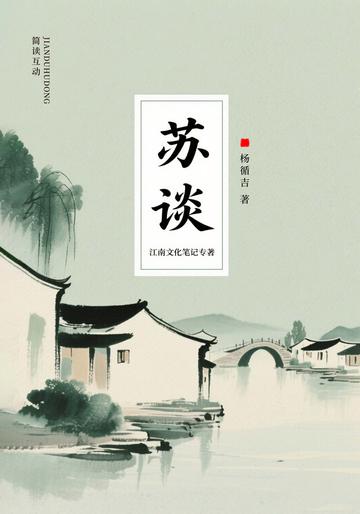
A single collection of essays can reflect the character of Wu scholars and the shifting moods of society. Such is Su Tan, written by the distinguished Ming scholar Yang Xunji. It is more than a collection of anecdotes: it is a regional cultural sketch interweaving local scenery with details of everyday life.
Su Tan is a single-volume work written by Yang Xunji, a native of Suzhou in the Ming dynasty, whose courtesy name was Junqian and whose literary name was Nanfeng. Compiled during the Ming dynasty, it gathers over thirty fables and anecdotes about the Wu region, including stories of notable figures and accounts of social customs. Its subjects include scholars' demeanor, the spread of medical practices, official conduct and reputation, and everyday life. The writing is concise yet rich in meaning.
Entries on Han Gong's flood control, the rise of the Wu medical school, and Suzhou's drinking-game rules all reflect genuine knowledge, bringing the region's history and culture to life. The author once served as a director in the Ministry of Rites. He loved books from childhood, studied diligently, and excelled at collecting classics and remembering unusual texts. His writing often uses anecdotes to reveal human nature and small details to illuminate larger truths, earning widespread praise.
Reading Su Tan is like strolling through the lanes and alleys of ancient Wumen, hearing tales of famous figures and observing the old and new in local customs. You can feel the profound heritage of southeastern Chinese culture, while also appreciating the subtle art of a literati observer quietly listening to life between the halls of government and the bustling streets.