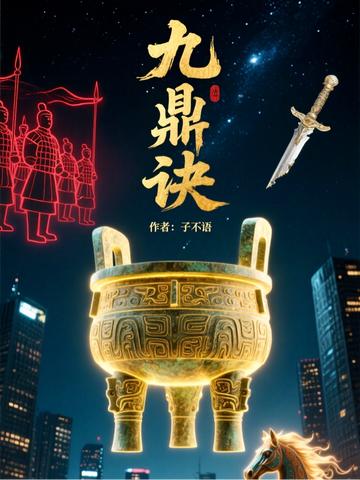
The deliveryman Chen Xiao accidentally activated the "bloodline totem", and a mini bronze tripod appeared in his right hand. Touching the ancient objects can absorb the "historical remnants" - fragments of the Yue King's Sword gave him the power of swordsmanship, fragments of terracotta warriors and horses summoned battle formations, and Tang Sancai Horses achieved teleportation raids! When the resurgence of spiritual energy caused chaos among extraordinary people, he discovered that the Special Operations Bureau was colluding with foreign forces in an attempt to reconstruct the rules of heaven and earth by gathering the ancient Nine Cauldrons. To activate the Divine Cauldron, nine people of special bloodline must be sacrificed.
From riding an electric bicycle to deliver food to driving a bronze chariot across the battlefield, Chen Xiao laid ancient formations on the glazed tiles of the Forbidden City, restored national treasures on the spot with a rejuvenation pen, and even waved the "blade of history" in the shadow of the Jiuding to cut off the dark conspiracy shrouding the city! When the divine tripod covers the city, should we destroy the divine tripod and maintain the status quo, or risk our lives to reconstruct the rules? An epic showdown that combines archeology, cultivation and modern cities is about to begin!
Reader comments
When the delivery boy holds the bronze tripod: salvaging the DNA of Chinese civilization in urban cultivation
If urban cultivation novels are often trapped in the routine of "fighting monsters and upgrading", "Jiuding Jue" breaks out of the stereotype and turns the battlefield of spiritual rejuvenation into an "awakening of cultural relics" that spans thousands of years. When a mini bronze tripod appears in the delivery boy Chen Xiao's right hand, and when touching the fragment of the Yue Wang Sword, mastery of swordsmanship can be unlocked. This novel is no longer a simple novel, but uses cultural relics as keys to open up a wonderful world where Chinese civilization and modern cities collide.
The most amazing thing about it is that it gives "superpowers" a sense of cultural significance. There are no superpowers that appear out of thin air, and all power is rooted in real cultural relics: Tang Sancai horse becomes a teleportation weapon, oracle bone fragments hide prophecy codes, and terracotta warriors and horses fragments can summon thousands of troops. When Chen Xiao transforms an electric car into a bronze chariot, and when the glazed tiles of the Forbidden City transform into a defensive array, you will find that the author is not writing about cultivation, but about making sleeping cultural relics "alive" and continuing to write legends in modern cities. This writing method that combines historical details with battle scenes makes every fight like a "moving cultural relics exhibition", which is both exciting and informative.
The character creation also jumped out of the "Long Aotian" template. Chen Xiao's counterattack from being a delivery boy did not rely on luck, but on his persistence in "protection" - what he protects is not only his own destiny, but also the cultural heritage behind the cultural relics. The heroine Lin Wan uses the "Rejuvenation Pen" to repair cultural relics, which is both an auxiliary and a line of defense. Her wisdom and Chen Xiao's passion perfectly complement each other. Even the villains are not simply evil. The ambitions of the director of the Special Operations Bureau and the conspiracies of foreign forces all revolve around the "Jiuding Reconstruction Rules", making the conflict more than just personal grudges, but rising to the ultimate choice of "protecting civilization or controlling the world."
The classic scenes in the book are even more unforgettable: in the bloody takeout box on a rainy night, the bronze fragments awaken for the first time; in the museum battle, the glazed tile array fights against the beast-headed superpower in the Old Summer Palace; in the phantom of the Jiuding, the ancient water control scene reveals the ultimate conspiracy. The most touching thing is the metaphor of the ending - the ultimate "holding the tripod" is never to control the world, but to let the civilization in the tripod flow into every inch of the land. When Chen Xiao stands in the burning cauldron palace and chooses to let the fire of the cauldron illuminate the folk iron smelting furnace, you will suddenly understand that this novel is not only about the battle of extraordinary people, but also about every ordinary person's responsibility to protect civilization.
The most rare thing about "Jiuding Jue" is that the grand "civilization inheritance" falls into the story of a small person. It makes us believe that maybe one day, when we touch an old object, we can also feel the "historical remnants" from thousands of years ago. If you love the passion of urban cultivation and the history behind cultural relics, this novel that makes the bronze tripod shine in the modern city is definitely worth reading.
When the delivery boy holds the bronze tripod: salvaging the DNA of Chinese civilization in urban cultivation If urban cultivation novels are often trapped in the routine of "fighting monsters and upgrading", "Jiuding Jue" breaks out of the stereotype and turns the battlefield of spiritual rejuvenation into an "awakening of cultural relics" that spans thousands of years. When a mini bronze tripod appears in the delivery boy Chen Xiao's right hand, and when touching the fragment of the Yue Wang Sword, mastery of swordsmanship can be unlocked. This novel is no longer a simple novel, but uses cultural relics as keys to open up a wonderful world where Chinese civilization and modern cities collide. The most amazing thing about it is that it gives "superpowers" a sense of cultural significance. There are no superpowers that appear out of thin air, and all power is rooted in real cultural relics: Tang Sancai horse becomes a teleportation weapon, oracle bone fragments hide prophecy codes, and terracotta warriors and horses fragments can summon thousands of troops. When Chen Xiao transforms an electric car into a bronze chariot, and when the glazed tiles of the Forbidden City transform into a defensive array, you will find that the author is not writing about cultivation, but about making sleeping cultural relics "alive" and continuing to write legends in modern cities. This writing method that combines historical details with battle scenes makes every fight like a "moving cultural relics exhibition", which is both exciting and informative. The character creation also jumped out of the "Long Aotian" template. Chen Xiao's counterattack from being a delivery boy did not rely on luck, but on his persistence in "protection" - what he protects is not only his own destiny, but also the cultural heritage behind the cultural relics. The heroine Lin Wan uses the "Rejuvenation Pen" to repair cultural relics, which is both an auxiliary and a line of defense. Her wisdom and Chen Xiao's passion perfectly complement each other. Even the villains are not simply evil. The ambitions of the director of the Special Operations Bureau and the conspiracies of foreign forces all revolve around the "Jiuding Reconstruction Rules", making the conflict more than just personal grudges, but rising to the ultimate choice of "protecting civilization or controlling the world." The classic scenes in the book are even more unforgettable: in the bloody takeout box on a rainy night, the bronze fragments awaken for the first time; in the museum battle, the glazed tile array fights against the beast-headed superpower in the Old Summer Palace; in the phantom of the Jiuding, the ancient water control scene reveals the ultimate conspiracy. The most touching thing is the metaphor of the ending - the ultimate "holding the tripod" is never to control the world, but to let the civilization in the tripod flow into every inch of the land. When Chen Xiao stands in the burning cauldron palace and chooses to let the fire of the cauldron illuminate the folk iron smelting furnace, you will suddenly understand that this novel is not only about the battle of extraordinary people, but also about every ordinary person's responsibility to protect civilization. The most rare thing about "Jiuding Jue" is that the grand "civilization inheritance" falls into the story of a small person. It makes us believe that maybe one day, when we touch an old object, we can also feel the "historical remnants" from thousands of years ago. If you love the passion of urban cultivation and the history behind cultural relics, this novel that makes the bronze tripod shine in the modern city is definitely worth reading.