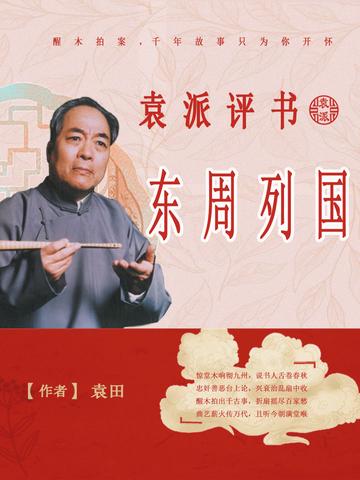
The Eastern Zhou Dynasty (770 BC - 256 BC) was the period after the Zhou Dynasty moved eastward. It was divided into two periods: the Spring and Autumn Period and the Warring States Period. It was an important stage of drastic changes in ancient Chinese society.
After King Ping of Zhou moved eastward to Luoyi, the royal family declined and princes fought for hegemony. During the Spring and Autumn Period (770 BC - 476 BC), the "Five Hegemons" such as Duke Huan of Qi and Duke Wen of Jin emerged one after another. "Respect the king and reject the barbarians" became the banner, and the collapse of rituals and music began to appear. During the Warring States Period (475 BC - 256 BC), after Han, Zhao, and Wei were "divided into Jin", a pattern of seven heroes coexisting was formed. Countries implemented reforms to strengthen themselves (such as Shang Yang's reforms), the scale of wars expanded, iron tools and cattle farming were promoted, and "a hundred schools of thought contended" appeared in ideology.
In 256 BC, Qin destroyed Zhou and the Eastern Zhou ended. This period was the transition period from slave society to feudal society, which laid the foundation for the unification of Qin and Han Dynasties.