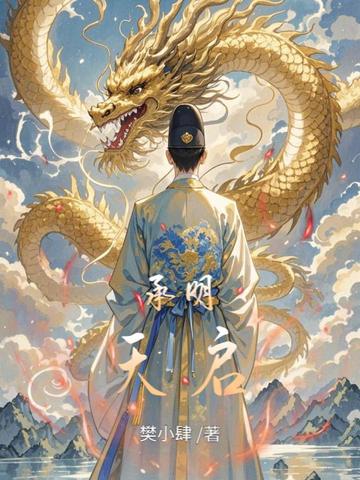
In the autumn of 1627, the sixteen-year-old Xinwang Zhu Youjian woke up from his study, with the residual warmth from the soldering on his fingertips. In front of him was the "Zi Zhi Tong Jian" and the bronze furnace - the soul of an engineering student crashed into the body of a late Ming prince.
At this time, the Wei party was in power, and the Later Jin Dynasty was peeping at the pass, and the sound of hunger in northern Shaanxi was gradually rising. He hid his sharp edge, greeted Wei Zhongxian with a smile during the day, and practiced defense lines late at night, memorizing agricultural books. This cage taught him: the edge must be hidden in a jade sheath.
After ascending to the throne, the Donglin Party used the "ancestral system" to block the sea ban. He said lightly that "the ancestral law was originally to protect the people", and used the plight of the fishermen and improved gunpowder to break the situation. Using Yuan Chonghuan, he set up a red line for food and wages, and to suppress Li Zicheng, he also tried to equalize land and avoid taxes, knowing that the people's heart is the most solid defense of a city.
Zhihu in the south of the Yangtze River used the hydraulic machine he modified, Guan Ning's army installed muskets with sights, and the ship's account book had a new look. On the Meishan Beacon Tower, he looked at the school under construction and recalled "serving the people." Relief for hungry people, full military pay, and patents for craftsmen allow the spirit that transcends time and space to grow quietly.
Saarhu's iron blood reappeared, a gun salute was fired at the Yangzhou dock, and the range of the artillery in the factory was refreshed. This engineering student, Chongzhen, was in the cracks of history, trying to find a way for the Ming Dynasty to lead to "the world is for the common good".