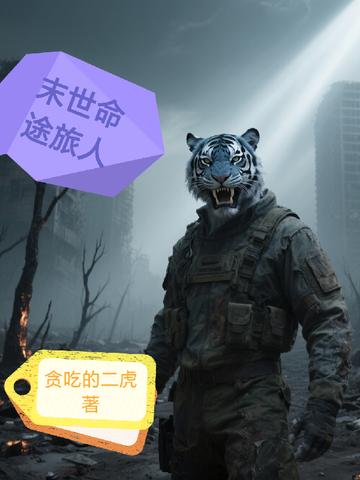
This is an apocalyptic setting with only orcs. The survival philosophies and path choices of different forces collide, creating a strong dramatic conflict.
The protagonist wakes up from the confusion of amnesia. The desolation and danger of the end of the world become the catalyst for him to become stronger. Looking for clues from the past may be hidden in the core of a certain force - it may be the identity recorded in the heritage of ancient civilization, or the fragments in the database of the mechanical ascension group, or the prophecies related to him in the legends of natural tribes.
The orc group has the most primitive vitality. The instinct of survival and the cohesion of faith allow them to establish order in the ruins. Their "transformation" may be to use wildness and totem to fight against the disorder of the end of the world, and form a primitive and civilized conflict with other forces.
The group that inherits the ancient heritage holds the key to the old era, and may try to recreate the glory, or may seek a balance more suitable for the end of the world through reflection; the mechanical ascension represents the transcendence of the body, using metal and data to fight the increase of entropy, but may face the tearing of humanity and machinery; the escapist who integrates into nature is the "retrograde" in the end of the world, looking for a way to survive in symbiosis with vegetation, but inevitably creates resource conflicts with the expanding warlords.
The warlord group and the group that reshapes the world are essentially two extremes of order reconstruction - the former uses an iron fist to plunder the living space, and the latter silently weaves a utopia in the corner. The wandering and choices of the protagonist will become the key variables when these roads collide. The "future" of each force carries its own prejudices and obsessions, and survival and truth lie in the gaps between these collisions.