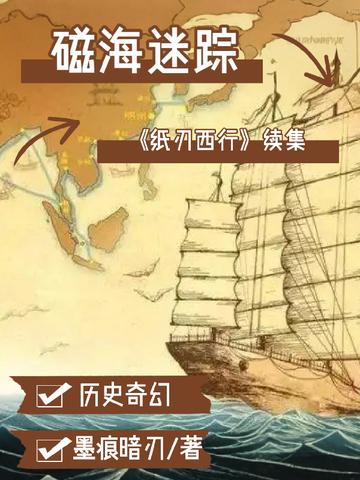
Li Beihai, a young man in the Southern Song dynasty, dreams of using mathematics to measure and improve the real world. Breaking free of the rigid imperial examination system, he travels along the southeastern coast. In Mingzhou, he uses ingenious geometry to help a sea vessel out of danger and learns the art of navigation by the stars. In Quanzhou, he devises the pioneering “dragon-gate accounting” system to bring order to a tycoon’s capital, only to find himself outmatched by greed and the pursuit of profit. In Guangzhou, he applies fluid mechanics to improve bronze-casting molds, saving artisans from disaster. At Hangzhou’s Splendid Weavers, his meticulous calculations boost production, yet he ultimately becomes a tool exploited and discarded by capital. Finally, in the Ministry of Revenue in Bianliang, he witnesses the absurd truth of a bureaucratic system that uses numbers to disguise peace and prosperity and manufacture lies. In dusty, sealed-away records, he finds an echo across the ages in Li Shande, a Tang dynasty official who was just as skilled with figures yet could not escape his fate. His illusions shatter completely. Seeing that neither court nor jianghu has a place for the “blade of calculation,” he resolutely sets off east with the manuscript of The New Method of Abacus Calculation for Maritime Trade, a distillation of all the practical wisdom he has gathered over a lifetime. He leaves without looking back, directing a glimmer of hope toward the bustle of everyday life and the vast, unknown sea, in search of ultimate freedom and redemption for his soul.