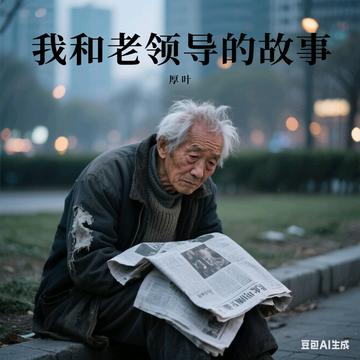
When Li Gensheng heard that his former leader Zhao Jiaqi was now homeless, he was as anxious as he was in the winter of 1977.
In Beijing in the winter of 1977, the cold wind was still like countless small knives, rolling up broken snow and slamming it against the red brick wall of Tsinghua University. I, Li Gensheng, clutched the letter of appointment as a counselor that I had just received, my knuckles turning white from exertion. I stood under the quaint archway at the second school gate, wearing a patched cotton jacket, with my heart beating like someone beating a drum inside, hitting my ribs.