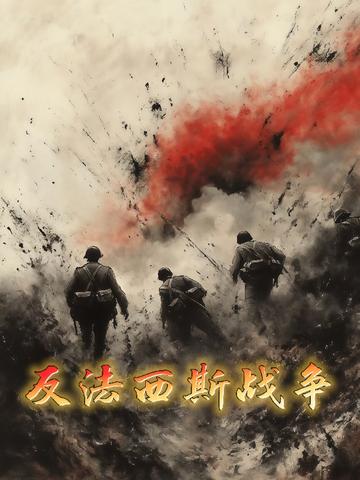
In the summer of 1937, for Shanghai, the largest city in the Far East, there was an unusual restlessness in the air. The plane trees on Xiafei Road in the French Concession are still lush and leafy, blocking the scorching afternoon sun. The wheels of rickshaws roll on the asphalt road, making a rustling sound. However, the lazy jazz music playing on the gramophone in the cafe could not hide the increasingly tense situation in the newspaper headlines - the war in North China escalated, the Japanese provocations around Shanghai became more and more intense, and the dark clouds of war were like the humid air of the rainy season, weighing heavily on the hearts of every knowledgeable person.
Jiang Ling, a third-year student in the English Department of Hujiang University, is sitting by the window in the library, with a copy of Dickens's "A Tale of Two Cities" spread out in front of her, but her eyes often drift toward the window involuntarily. Outside the window, you can see the quiet lawn of the campus and the laughing and playing junior students. Their faces are still filled with longing for the future, as if the distant gunfire has nothing to do with them. Jiang Ling sighed softly. Her father, Professor Jiang, is a professor of history at Hujiang University. He is very worried. Recently, he often discusses with his colleagues in the study until late at night. In the muffled conversations, words such as "war", "resistance" and "subjugation" pierce her heart like needles.