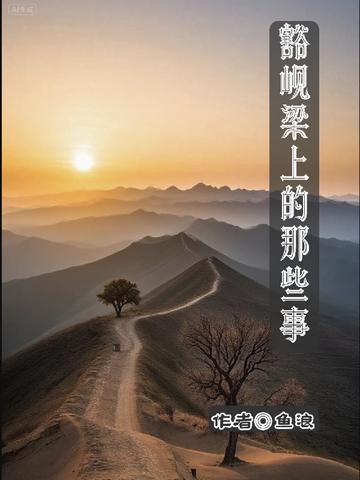
The winter here is usually suppressed by leaden gray clouds. The open beams lie on the horizon like frozen giants. The ravines are filled with knee-deep loess. When the wind blows by, it can stir up yellow mist ten feet high, which makes people's faces numb and painful. Whenever night comes, the smoke from the chimney is torn into pieces by the wind before it can float high. Mixed with the smell of manure from the livestock pen, it swirls under the poplar tree at the entrance of the village.
The dirt road at the entrance of the village was deeply rutted by trucks. When it was frozen, it looked like an iron edge. Walking on it would hurt your ankles. Under the wall, an old man squatting in the sun was wrapped in a grease-stained sheepskin jacket. The copper pot on the tobacco pole was shiny when touched. The spittle mixed with the smell of dry tobacco fell on the frozen soil under his feet, and instantly condensed into small ice particles.
When the sun turns to the west, the wind on the beam will be stronger, carrying the gravel from the distant mountains and rustling on the linen paper of the kiln window. The oil lamp in the room turned on, and the dim yellow light leaked out from the holes in the window paper, casting tiny spots of light on the ground, like scattered stars. The iron pot on the stove was sizzling, and the smell of potatoes and pickled vegetables spread out. Together with the crackling of firewood in the kang hole, it became the most real warmth on this loess plateau.