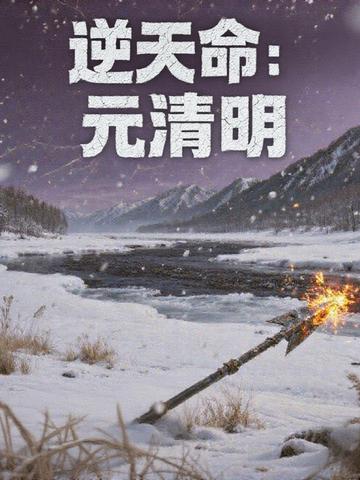
In the troubled times at the end of the Yuan Dynasty, the Jurchen tribe in Northeast China took advantage of the uprising of the Red Turban Army to rise. The cavalry went south to attack Yanjing, established the Qing Dynasty, and ended Mongol rule. For the next three hundred years, the Qing government used iron-blooded means to suppress the resistance of the Han people. The Eight Banners aristocrats monopolized government affairs, closed the country in isolation, and science and technology stagnated. By the 17th century, the Qing Dynasty declined, and the exiled Ming Dynasty survivors united with Nanyang forces to counterattack with Western firearms and regain the Central Plains. However, the restored Ming Dynasty had many shortcomings. In the face of the industrial revolution, the Western powers still clung to their ancestral system, and eventually became a semi-colony after the Opium War. At the end of the 19th century, the wave of revolution swept across China, the thousand-year-old monarchy collapsed, and the dawn of republic emerged...
This epic masterpiece spanning six hundred years uses majestic brushwork to reconstruct the cycle of the Yuan, Qing, and Ming dynasties, showing the cruelty of power changes and the fate of the rise and fall of civilizations. From the fall of Dadu to the gunfire in Wuchang, from Zheng He's treasure ship to steam armor, in the torrent of history, everyone is changing their fate against the will of heaven, but they are also trapped by the times. When the Forbidden City finally becomes a museum, are those legends of blood and fire really just footnotes in reincarnation?