When the concert spotlights turn into flames that consume her, Wangzai Xiaoqiao falls from the clouds into the muck. Suspicions of lip-syncing coil around the voice she once took pride in like a venomous snake. Just as the whole internet waits for her to crash and burn for good, a lunatic named Shen Yan drops a bombshell: “Go to the sugar factory. Find raw voices who can help you bring down the Bird’s Nest, among the mechanics, delivery drivers, and street sweepers.”
So amid the rusted iron of the old sugar factory, the hard-edged rhythm of wrenches striking pipes joins the beat of delivery boxes, smashing the arrogance of music conservatory prodigies. A girl in Hanfu cradles a pipa with broken strings and turns intangible cultural heritage into a wildfire that can set the stage ablaze. They accuse her of using ordinary people to whitewash her image. So she brings together this group of “misfits,” branded by the world, and uses busted guitars, iron wrenches, and first-aid kits as instruments. They sing in the rain, roar in warehouses, and, through the storm of public opinion, turn “struggle” into a battle hymn and “connection” into armor.
When capital tries to snuff out this grassroots celebration, and the stage collapses in an accident, they keep singing as they tread over broken glass. Because real music isn’t the flawless sound of a recording studio. It’s the grease and sweat on a mechanic’s hands, falling onto strings and blooming into flowers. It’s an idol, fallen from grace, reaching out to pull up everyone else who’s fallen in the mud, so together they can set the fire in their throats alight and illuminate the night sky above the entire Bird’s Nest.
This isn’t one person’s comeback. It’s every voice pinned to the ground by life finally daring to roar at the world: “I can still sing!”
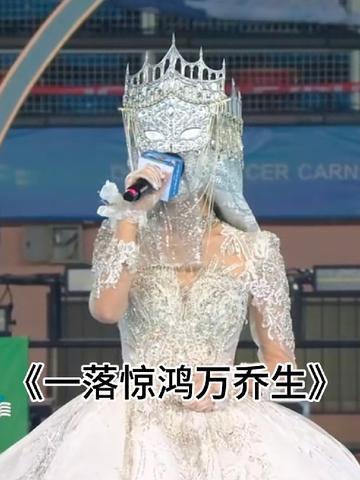





Wangzai Xiaoqiao Niubi looks good