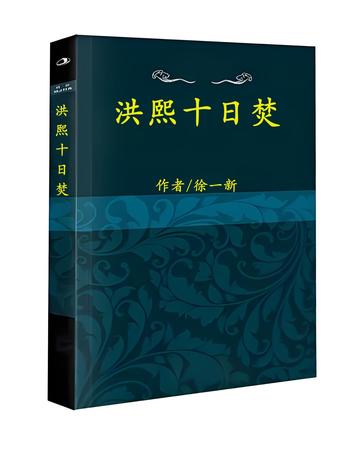
The first thing he did after ascending the throne was burn the bloody battle reports his father had left behind.
“Father’s blood has already stained three Yellow Rivers,” Ming Emperor Renzong Zhu Gaochi said, running his fingers over the cold seal on the armistice edict. “It’s time to stop.”
In the first year of the Hongxi era, the throne was barely secure. Yet this new emperor, weighed down by an obese and ailing body, displayed astonishing resolve: he halted the voyages to the Western Ocean, had the treasure ships mothballed, and Zheng He’s jade tablet crashed to the ground! He ended the northern campaigns, as frontier nobles knelt outside the palace gates and Jing’an Marquis Li Yong angrily slew the messenger who brought the order! He curbed the eunuchs and promoted civil officials. Four imperial edicts fell like blades, striking at the empire’s deep-rooted afflictions!
Civil officials praised his wisdom, and the common people were grateful for his benevolent rule. Yet fires of war flared along the frontiers, and dangerous undercurrents roiled through the court. Disgraced nobles, sinister eunuchs, and the ambitious Prince of Han wove a vast web of retaliation.
“Better to fail the army than fail the people!” The coughing, blood-spitting emperor burned through his life amid mountains of memorials, striving to create a sanctuary of benevolent rule. Empress Zhang’s heart was torn with anguish, while Crown Prince Zhu Zhanji watched his ideals shatter against the iron wall of reality.
In just ten months, an idealistic emperor made a tragic last stand.
As death drew near, he heard the heir he had chosen whisper to a senior minister: “What Father cut off... I’ll take back with my own hands...”
The flame of idealism burned itself out in ten days. Its embers were still warm, but the empire’s great ship was already sailing toward unknown storms, caught between benevolence and force, destruction and renewal.
Was this a defeat that had been inevitable from the start, or a final, desperate blaze that illuminated history?