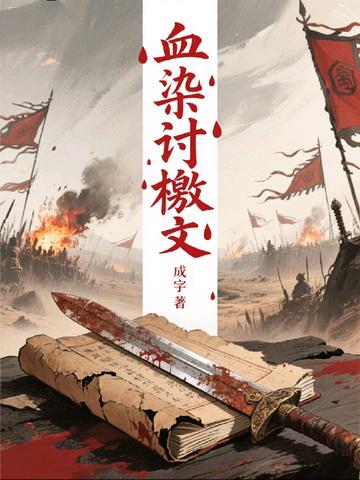
Blood and Poetry on the Eve of the Tang Dynasty
When Wu Zetian's Phoenix Hairpin threatened Li Tang, and the iron claws of cruel officials shattered the tranquility of the south of the Yangtze River, an appeal was born in the lights of Yangzhou, piercing the autumn night of the fourth year of Chui Gong.
This is no ordinary historical narrative. Li Jingye, who inherited the British bloodline, clutched his unfinished words in front of his grandfather's memorial tablet. He vowed to "clear the emperor's side" with great enthusiasm, but his eyes were red because of the Lingnan girl's complaints about the suffering of the people. Meng Chuyue, the daughter of a Baiyue chieftain, broke into the military camp with a dragon-patterned wooden plaque to find her father. She grew up to be a warrior who protects the people in the flames of war. Her herbal medicine understands people's hearts and makes love extremely important.
King Luo Bin dipped into the moonlight and the smoke of war in Hangou and wrote "Let's see who controls the world in today's domain." This proclamation has been infiltrated by Lingnan witchcraft, Central Plains art of war, and common people's hoes, and has grown into a strong root.
The book contains the intrigues of Zichen Palace, which is not limited to the palace walls; there are the beacon fires of Jianghuai, which are not trapped in the battlefield. It writes about the troubled times when one cannot help oneself, such as Li Siwen's helplessness in his cruel plot, Meng Shelong's worry about the broken bronze drum, and Wu Zetian's complicated eyes when facing the burning of all the essays. It also writes about the endless life in desperate situations: the cry of the Luoshui floating bridge, the persistence of teaching children how to read with the scraps of calligraphy on the beach in Quanzhou, and the kapok blooming every year in front of the nameless monument.
Opening the "Blood-stained Prosecution", you can read the names and stories ignored by the official history, and see the "Blood-stained Prosecution" transformed from a "conquering" blade into a "protective" seed. This is an epic poem on the eve of the prosperous Tang Dynasty, with gold and iron horses, firewood, rice, oil and salt; there are proclamations and thunder, and there are also whispers under the moon. When you close the book, you can seem to hear Hangou boat bells and Lingnan bronze drums. "The people are the foundation of the country" are engraved in the bones and blood of time.