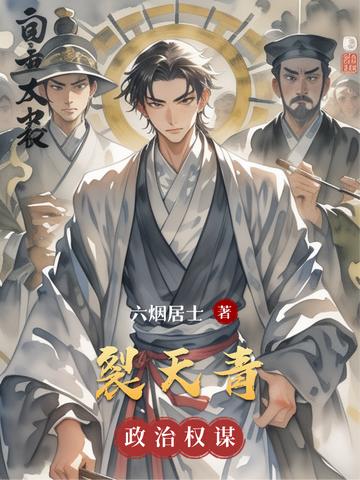
A piece of blood-stained Ru kiln porcelain sliced open the gorgeous silk and satin of the prosperous Song Dynasty, revealing the flesh and bones of the conspiracy.
In the fourth year of Zhiping in the Northern Song Dynasty, comets invaded, the emperor was critically ill, and Sancang in Hebei was mysteriously burned down. Deputy Privy Councilor Han Jiang received half a piece of Qinxuetian celadon on a snowy night - this was a code carved with his life by the tragic death of the imperial censor Li Ding, pointing directly to the shocking shady story of iron smuggling, treason by border generals and the burning of warehouses buried in the capital transfer envoy. The porcelain is cracked like a knife, pointing to the heart of the empire: Han Qi, the prime minister of the current dynasty, secretly dug a water channel for transporting troops under the guise of the "Returning to the River Project"; Wang Tao, the envoy of the Third Division, used the bones of civilians as salary to fill the holes of greedy ink; the wolf eyes of Xiao Falcon, a Liao merchant, flickered in the ashes.
Deep inside the palace, Queen Cao's fingertips touched the cracks of bloody porcelain. The new emperor was young, and the power minister was eyeing him. She borrowed Han Jiang's sword and used "Jian Su's accession to the throne" as the sheath to create a deadlock of checks and balances. In the Chui Gong Hall, Han Qi's purple robe is stained with blood, and his every move of abandoning his chariot to protect the commander is shocking; below the city of Baozhou, the imperial censor Li Shen holds the imperial edict alone, cutting open the arrow clusters in the chests of civilians during the siege of the border army; Su Shi returns south in a lone boat on the Shu road, supporting his coffin, and the turbid waves in his writing turn into a bloody poetic blade stabbing Bianjing.
From the soaring fire in Zhuquecang, to the collapsed seawall of Qiantang River; from the blood of powerful ministers dripping from Chui Gong Palace, to the desperate poems inscribed on the walls of the censor's prison. The cold light of Ru kiln reflects the abyss of human nature: Han Jiang gambled his life and used his sick bones as monuments; Su Shi used his pen as his sword to smash the iron curtain of the New Law; Shen Kuo hid the code of salvation in the lightning-struck wooden pen barrel; and deep in the cracks of the broken azure porcelain, the rouge and blood have never dried - it is both a mystery and an end.