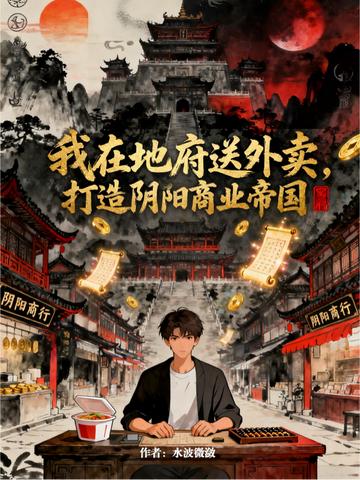
This novel modernizes and corporatizes the traditional, mysterious concept of the underworld, creating a “world of the dead” with an independent economic system governed by commercial logic. The protagonist’s role as an “underworld delivery rider” is more than simply transporting goods: he is the only channel for resources and information between two worlds. By completing “orders” (missions), he builds his first fortune in the form of hell money and merit, eventually using business tactics to take revenge and establish an unprecedented cross-world business empire. A novel profession: The “underworld delivery rider” is inherently mysterious and entertaining. The deliveries are all kinds of strange things, from offerings and memories to yang energy and even life experiences, while the customers are all sorts of ghosts and deities. Two-world enterprise: The protagonist builds a business empire in the human world while gaining power and wealth in the underworld. The two sides influence and support each other, creating a uniquely satisfying dual-track business story. Revenge through ingenuity: The revenge plot relies not on brute force but on business tactics, informational advantages, and underworld resources to crush his enemies from a position of overwhelming superiority, making the story feel clever and strategically planned. A modernized underworld: This modern underworld is full of dark humor, with ghost officials subject to KPI reviews, ghosts paying with “Underworld Pay,” and even an underworld version of Dianping, all creating delightful contrasts and imaginative possibilities. Building an empire: The protagonist’s journey from a heavily indebted delivery rider to a business tycoon controlling the economic lifelines of both worlds is clear and deeply satisfying.