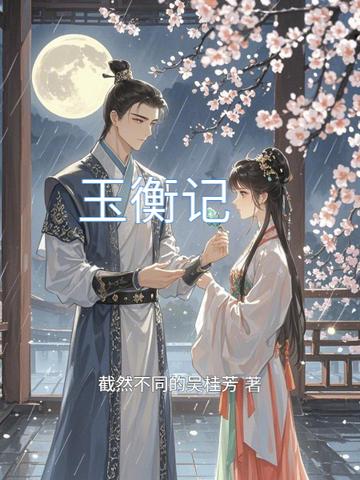
During the Yuanqi period of the Jing Dynasty, the prince Zhao Heng used a jade hairpin as a matchmaker to fall in love with Princess Minghui in the gentle rain of apricot blossoms in the deep palace. He is the lonely moonlight in the Yaoguang Palace, and she is the swaying firefly beside the Changxin Palace. They should be a match made in heaven, but in the end they are no match for the wind and frost sword of the emperor's family.
From the poems written on red leaves by the Qujiang Pool to the fireplace on a snowy night in Ningxiang Garden, Zhao Heng's life has been filled with begonias as warm as Su Wanqing, mountain streams as clear as Qinluofu, and red plums as hot as the evening sky. The red rope around their wrists is entwined with fate, and the lingering sound on the pipa strings trembles with sorrow, weaving the life of this "Master Yuheng" into a brocade soaked in cinnamon and tears.
When the palace's machinations crushed the covenant on the peach blossom paper, and when the beacon fire at the border burned the lovesickness on the pipa strings, Zhao Heng finally understood: the moonlight in this deep palace has never been truly perfect, just like the missing corner of the hosta in his palm, which hides too many regrets of not saying anything when they meet. And those red ropes scattered in the world eventually became a bond spanning life and death over the years.
The whole book uses the rhyme of the Song Dynasty as its bones and love as its marrow. In the interweaving of the fragrance of plum blossoms and the fragrance of ink, it describes the love and pain, abandonment and retention in a palace wall. Those faces that bloomed and withered under the moonlight, just like the prosperity of the Jing Dynasty, eventually became faint ink stains in history books, but carved cinnabar that will never fade in people's hearts.