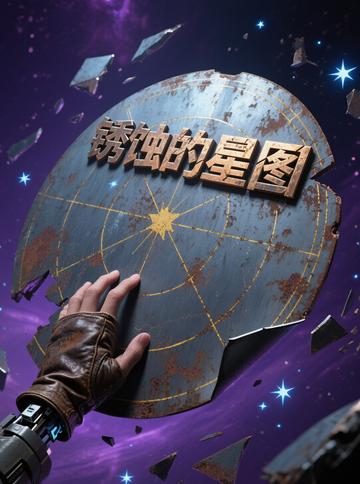
In the winter of the third year of Xuantong, Zhou Mingyuan, a student at Shanghai Medical College, returned to Qingshi Town in eastern Zhejiang with a box of glass syringes and scalpels. The old locust tree at the west end of the town began to ooze dark red sap at some point. The people in the town were getting thinner and thinner, and fish-like markings appeared on their skin, but they still believed that the mountain god was appearing. Zhou Mingyuan wanted to use a stethoscope to hear the focus of the disease, but in the ancestral hall late at night, he saw a robed shadow seeping out of the brick wall, holding a telegram from the Guangxu period in his hand. The telegram was written with a star map. When he dissected the first corpse that died of a strange disease, he found that the skeleton of the deceased was covered with gear-like notches, and on the sea outside the town, there were huge shadows assembling steel skeletons in the fog every night. This is a story about iron and bones, science and spells, rusty machinery and beating hearts gnawing at each other before dawn, just like the figures curled up in the kerosene lamp, not knowing whether they are living in the residual dream of the Guangxu year or the weird reality of the early Republic of China.