The old locust tree is a root, sunk into the blood and soil of Qingxi Town. It remembers the warmth of Lin Yu's parents, the houses that were burned, and the hatred that has yet to cool. The dandelion is the wind, carrying the stitches of spring, Su Yao's compass, and the scent of wheat from Liuxi Village. It blows out of the flames of war, landing on the snow of Langjuxu Mountain, before the tents of the Blackstone Tribe, and in the hearts of all who want to survive.
The roots lie in the earth, the wind is in the sky, and between the two, the story grows into the rings of the frontier, etched with the flash of blades and the smoke of cooking fires, remembering the slaughter, but also the new life.
The major supporting characters so far include Old Wang (an elder from Liuxi Village, representing tradition and resilience), Granny Naren (an old woman of the Blackstone Tribe, symbolizing reconciliation), Zhao Hu (a soldier who changes from hatred to understanding), Chun Xing (Lin Yu's partner, gentle yet resilient), Bater (a Blackstone Tribe youth who connects the two peoples), Su Yao (a wise woman who guides Lin Yu), Mr. Cheng (a gentle and wise mentor), General Wei (a pragmatic leader), and others.
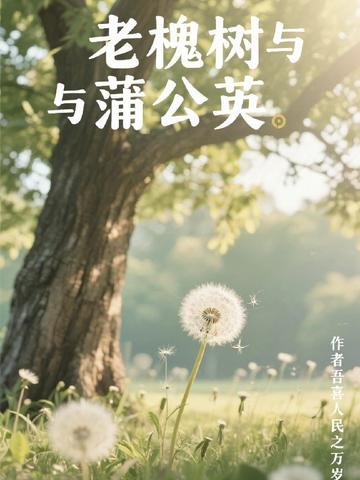
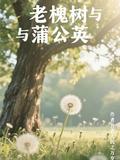
I was attracted by the image of "roots in the soil and wind in the sky" in the introduction. The thick roots of the old Kui tree in the homeland and the lightness of the dandelions drifting in the wind outline the bones of the border story. The character portraits are also interesting, including tradition and reconciliation, hatred and rebirth. I look forward to seeing how these elements weave and grow in the flames of war and smoke. I hope that this unique atmosphere can be realized in the future, and the light of swords and hope in the annual rings on the border can be conveyed.