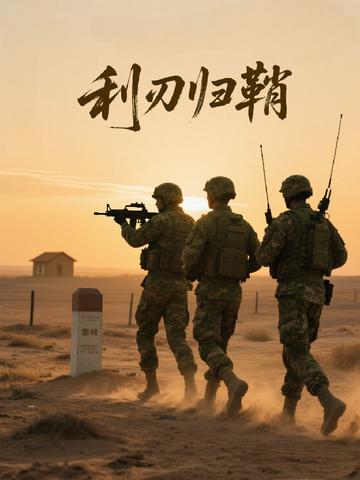
The wind along the border always carries sand. When Lu Chenzhou was squatting in the corner of the radar station holding the maintenance tools, the wrench suddenly slipped - on the monitoring screen, the ship of the smuggling gang "Black Sand" was breaking through the cordon, and the gun barrels on the deck were reflecting in the moonlight.
When he took off his special combat uniform three years ago, the medal thrown by the old captain hit the table: "You can protect the hostages, but you can't protect your own epaulettes." Now the old captain's phone carries the sound of electricity through the Gobi: "Heisha's cargo contains missile parts, and the target is oil and gas pipelines."
Returning to the team is the battlefield. Su Qing, a sniper who can lock targets in sandstorms, can run five kilometers through the desert forest with a radio on her back, and rush into the iron mountain at the forefront with a breaking hammer. This team must climb over the wind-eroded rocks of the Gobi Canyon, pass through the pipes of abandoned factories, and finally intercept the "Breaking Waves" fleeing to the high seas.
There are grains of sand stuck in the barrels of their guns, photos of teammates hidden in their vests, and GPS coordinates always chasing danger. When the leader of the "Black Sand" threatened civilians with detonators, Lu Chenzhou took out the engineer shovel passed down by his father - the shovel blade reflected the light of Su Qing's scope, the current of the forest radio station, the roar of Tieshan, and the wall built by a group of people with their backs.
The purpose of drawing a sharp knife out of its sheath is never to kill, but to let more people sleep peacefully.