——A long classical scroll about human obsessions, ghosts and hatreds.
Summary of the work
Taking Pu Songling's "Strange Stories from a Chinese Studio" as the basis and the legends of the Tang and Song Dynasties as the rhyme, it tells the story of a netherworld where cause and effect are intertwined and humans and ghosts coexist. There are a total of six volumes and eighteen chapters in the book. Each volume is developed with themes such as "Lone Rain in the Night", "Yellow Springs Inn" and "Fairy Tales". Through the eyes of scholars, widows, Taoist priests, singers and other mortals, we can glimpse the joys and sorrows of ghosts, foxes and monsters.
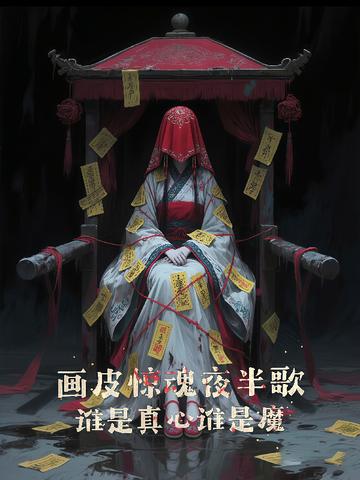
The bright lines are the united stories of ghosts and ghosts: ghosts in blue shirts recite poems at night, painted-skinned women reveal their faces, fox-married women hide blood books, bone flutes summon dead souls, and life spans are sold in the ghost market... Each story is an independent chapter, but there are hidden connections.
The hidden thread runs through the underworld's judge's inspection of the human world, recording the unresolved causes and consequences, and finally reveals the secret of "debts from the human world must be repaid by the underworld" in the final volume.
Core theme
Obsessed thoughts lead to calamity
Greed, anger, love and hate can all turn into monsters: the widow's tears of lovesickness spawned willow spirits, the singer's obsession with the bone flute, the infatuated girl in front of Po Meng's soup jumped into the Forgotten River...
Cause and effect reincarnation
The butcher in his previous life was reincarnated as a corrupt official, and all the lives he killed in this life became life debts; the sick child who borrowed his life to extend his life had to pay the sudden death of his loved ones.
Man and ghost arrive at the same destination by different paths
Ghosts are more affectionate than humans: the fox demon repays his favor by marrying a hunter, but the painted-skinned ghost is greedy for the warmth of the world; living people are crueler than ghosts: ghosts sell their children in the market, and Taoist priests use demons to refine medicine.
Style Features
Classical writing style: vernacular mixed with classical Chinese, such as "The ghost in the green shirt flicked his sleeves away, leaving only the residual lamp shining on the bones" and "Meng Po's soup boiled like blood, and the drinkers' tears turned into beads."
Weird images: human skin lantern, blood hydrangea, mirror monster, peach blossom curse... The visual impact is extremely strong.