A classic supernatural saga of human obsession, ghostly love, and bitter feuds
[Synopsis]
Inspired by Pu Songling’s Strange Tales from a Chinese Studio and the romantic spirit of Tang and Song dynasty legends, this story unfolds in a netherworld where humans and ghosts coexist and every action has its consequences. The book comprises six volumes and eighteen tales, each exploring a theme such as “A Lonely Lamp in the Night Rain,” “The Inn by the Yellow Springs,” and “Tales of the Supernatural.” Through the eyes of mortals including scholars, widows, Taoist priests, and songstresses, we witness the joys and sorrows of ghosts, fox spirits, and other strange beings.
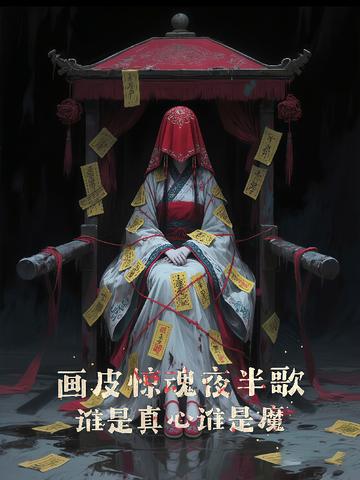
The main narrative consists of standalone supernatural tales: a ghost in blue robes recites poetry at night, a painted-skin woman reveals a human face, a fox bride hides a blood-written letter, a bone flute summons the dead, and a ghost market sells years of one’s life... Each tale stands on its own, yet each conceals connections to the others.
The underlying story follows a judge from the underworld as he tours the human realm, recording unresolved karmic debts. In the final volume, he reveals the heavenly secret: “Debts incurred among the living are repaid in the netherworld.”
[Core Themes]
Obsession Becomes a Curse
Greed, anger, love, and hatred can all become monsters: a widow’s tears of longing give rise to a willow spirit, a songstress’s obsession possesses a bone flute, and a lovesick woman leaps into the River of Oblivion before drinking Granny Meng’s soup...
Karma and Rebirth
A butcher from a past life is reborn as a corrupt official, and every creature he kills in this life becomes a debt that comes to claim his life. A sick child borrows years to stay alive, but the price is the sudden death of a beloved relative.
Humans and Ghosts Share the Same Fate
Ghosts can be more devoted than humans: a fox spirit repays a debt of gratitude by marrying a hunter, while a painted-skin ghost yearns for the warmth of human life. The living can be more cruel than ghosts: parents sell their children at the ghost market, and Taoist priests use demons to make medicine.
[Style]
Classical prose: Vernacular Chinese blended with classical phrasing, as in “The ghost in blue robes swept away, leaving only a dying lamp to shine on white bones” and “Granny Meng’s soup boiled like blood, and the drinker’s tears fell like pearls.”
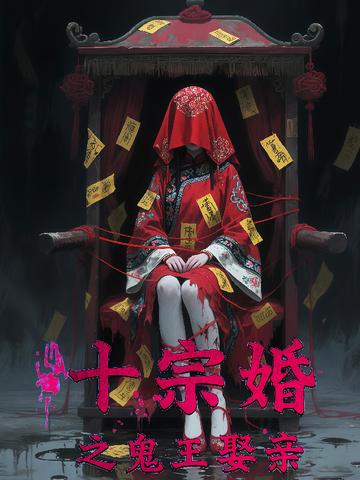
Eerie imagery: lanterns made of human skin, blood-red embroidered balls, demons in mirrors, peach-blossom curses... The visuals are striking.