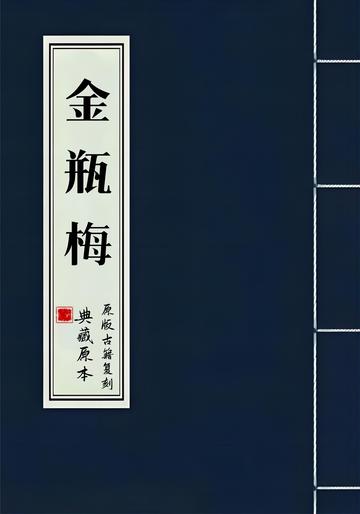
"The Plum in the Golden Vase" is the pinnacle of the Ming Dynasty romance novels. It is signed "Lanling Xiaoxiaosheng" and uses the story of Wu Song in "Water Margin" as a guide to lay out the rise and fall of the businessman Ximen Qing's family. Through the entanglements of desire between Ximen Qing and women such as Pan Jinlian, Li Ping'er, Pang Chunmei, and shocking scenes such as "Drunk in the Grape Rack" and "Crying Brother", the book shows the carnival and moral collapse of Ming Dynasty society. The author uses a realistic writing style that "brings out all the ugliness in the world" and transforms daily scenes such as "The Banquet" and "The Loss of a Child" into human fables. The three characters "gold", "bottle" and "plum" not only refer to the three women, but also serve as a metaphor for the cycle of retribution of money, wine, sex and death. This work breaks through the tradition of historical novels and pioneers the narrative paradigm of "looking at society through family". Its market language and detailed descriptions like "Along the River During the Qingming Festival" constitute an "encyclopedia" of China's social economy in the 16th century. Although it has long been regarded as an "obscene book", it is actually the forerunner of later masterpieces such as "A Dream of Red Mansions" and is a core text for studying the transformation of realism in Chinese novels. It is listed as a family narrative classic along with "The Tale of Genji" and "Reminiscences of Lost Time" in world literature.