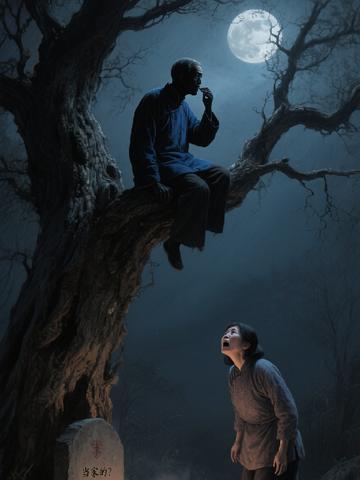
Folk ghost stories are oral legends rooted in local communities and everyday life. They are usually passed from person to person, bearing strong regional characteristics and the feel of ordinary life. Their protagonists are often spirits who died unjustly: a woman who was betrayed, a craftsman who met a wrongful death, or someone whose lingering obsession keeps them from moving on. The settings are familiar but conceal something uncanny: the shadows beneath an old pagoda tree, the depths of an ancient well, the attic of an old house. Even an old pair of shoes or a lock of severed hair can become the spark that calls a ghost into view.
These stories are more than simple horror. They also hold folk ideas about good and evil: vengeful spirits seek lives because they were wronged, while hauntings often stem from breaking taboos. The ways to put things right are usually tied to local customs: peachwood to ward off evil, glutinous rice to repel spirits, paper money to atone, or kindness and sincerity to ease a lingering obsession. Like a mirror, these stories reflect ordinary people’s reverence for life and death and their hope for justice. They also quietly weave the simple belief that “the gods are watching from three feet above your head” into the memories passed down from generation to generation.