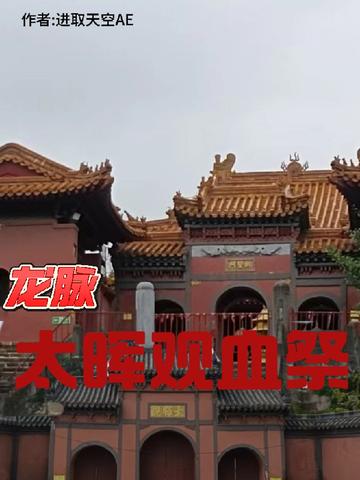
The autumn mood of the thirty-seventh year of Wanli was like a piece of silk soaked in cold rain, weighing heavily on the eaves of Jiangling City. The copper bells of Taihui Temple swayed intermittently in the wind, mixed with the scent of sandalwood from Xuanmiao Temple, entangling the city's secrets even tighter.
At that time, the soles of Zhang Wenming's boots were still stained with mud from the countryside, and Prince Zhu's python robe had been stained with oil over the years in the candlelight. The pile of memorials on old Zhang Ge's desk was as high as a mountain, but the secret message in Zhu Changling's sleeve was thinner than paper. No one can tell whether it was the Sanqing statue in Taihui Temple that glimpsed the murderous intention first, or whether the signature in Xuanmiao Temple had already written the ending.
Inside and outside the red wall, incense and blood are secretly competing. Under the blue bricks swept by the Taoist priests, the wrestling between nobles and courtiers is buried; in the dusk where the bells crash, the shadows of the feudal king and the pavilion elder dangle. When the blood of that night splashed on the stone steps of Taihui Temple, even the oldest ginkgo tree in the temple shook off half of its leaves - they should have remembered how hot the tea cups handed out from the Zhumen were, and how cold the words coming from the Prime Minister's Mansion were.
Now that I have opened the dusty local records, I can still smell the smell of saltpeter and pine smoke in the ink marks. Why not just look at the moonlight during the Wanli years and see how the temple swallowed up the blood and how, a hundred years later, the secrets of the past turned into unofficial history growing out of the cracks in the tiles.