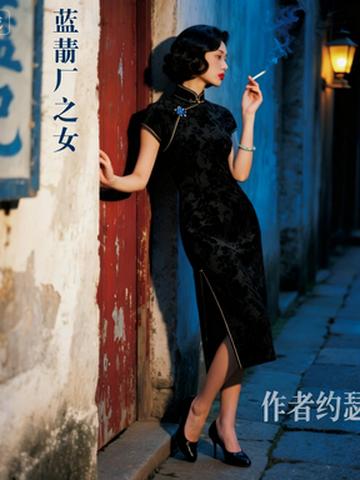
Big heroine! A century-old spiritual history of Beijing from the perspective of female bannermen.
The heroine Li Fei of "Daughter of the Indigo Factory": a banner woman is the core character throughout. Through her long and ups and downs life, she accurately and delicately outlines the vicissitudes of the city of Beijing (especially the old Beijing banner population) in the three earth-shaking historical periods from the late Qing Dynasty, the Republic of China to the founding of New China. The most fascinating thing about the novel is that it transcends common suffering narratives and uses reverse thinking. "Tears cannot save a misfortune." It does not exaggerate the suffering and does not rely on tear-jerking. How characters maintain their inner stability and positive attitude towards life in the tide of the times.
The Indigo Factory was once a base for providing indigo for court dyeing and weaving in the Qing Dynasty. It was home to a large number of bannermen officers, soldiers and their families, forming a unique banner town culture.
The unique value of the novel "Daughter of the Indigo Factory":
Filling the gaps: For the first time, the unique space of the Indigo Factory is focused in depth, showing the little-known urban life, cultural customs and spiritual world of the banner people, and revealing a neglected and heavy truth about old Beijing. Including the real existence of the character Li Fei himself. The content of the novel is active and interesting, and full of pictures. Eight buildings of pavilions and food culture in the late Qing Dynasty. There are donkeys, carts and horses in the eight major alleys, and the oath of love on Qinglong Bridge. The story of Xiang Hongqi rescuing anti-Japanese students. Full of useful information. Readers: Relax at work and understand life at the same time. Finally, move forward optimistically and positively.