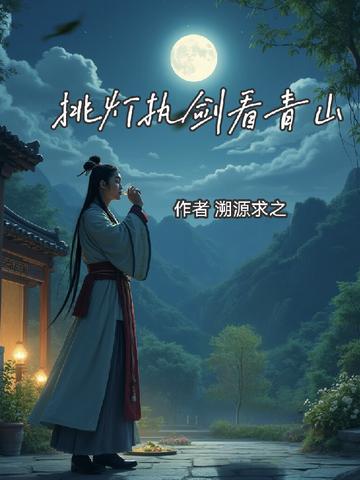
He was a solitary bird amid the flames of war. As a young man, he charged into enemy camps with a spear and captured a rebel general, yet still dreamed of “trimming the lamp and looking upon my sword, then waking to the sound of bugles in a camp of linked battalions.”
He was a trapped tiger in the sea of officialdom. He spent half his life riding through Jiangnan and forging an iron army, only to lament, “I traded my ten thousand words on pacifying the border for a book on tree planting from my neighbor.”
He was a stubborn stone beneath the autumn frost. For twenty years in quiet retirement, he wielded his brush and questioned the heavens, laughing as he declared, “I find the green hills so charming; surely they see me the same way.”
In the end, he was a sorrowful wind before Beigu Tower, leaning on the balustrade with white hair and crying out, “Lian Po is old.” As he neared death, his blood and tears became the words, “A man’s heart stays iron to the very end!”
This is a spiritual epic of the Southern Song, forged in blood and tears. See how the Dragon of Song lyrics wielded his brush as a sword, carving a brilliant path through a shattered land.