In October 1987, the sound of the Hong Kong Island stock market crash shattered the morning fog in Victoria Harbor. Su Chen choked and coughed in the sand pit of the police academy's physical training ground and raised his head. The elbows of his training uniform were still stained with coffee stains from the 2023 Financial Crime Investigation Bureau. Just when he was analyzing the "87 stock market crash" review report, the computer screen suddenly burst into dazzling white light. When he opened his eyes, he had been replaced by the body of a seventeen-year-old police academy freshman.
This young man named "Su Chen" should have been expelled for gambling debts on the eve of the stock market crash. But now, he touched the only three crumpled Hong Kong dollars in his pocket, and the financial news clips of the next thirty years were still ringing in his ears. When fellow trainees were still calculating their allowances at the end of the month, he stepped on the bloody dawn when the Hang Seng Index fell below 3,000 points, broke into the exchange with a forged identity document, and bet all the borrowed gambling debts on blue-chip stocks that were about to rebound.
Three months later, when Su Chen walked out of the bank with a check that was enough to buy half a shop in Causeway Bay, the red card "to be observed" was still hanging after his name in the conduct evaluation column of the police academy. No one knew that this student, who was always staring at the radio late at night, had the financial lifeline of Hong Kong from 1987 to 1997 in his mind.
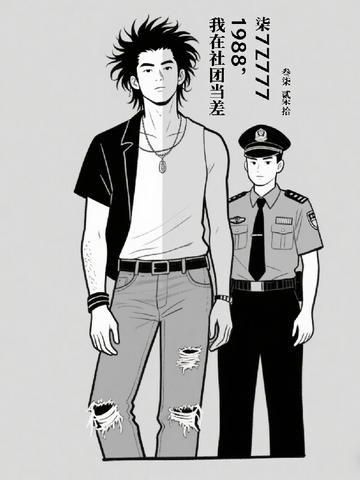
At the graduation ceremony in 1988, the principal personally pinned his police badge on him, then turned around and pulled him into the archives room: "Record O needs a clean face." Su Chen looked at the word "Hongxing" in the archive bag, and his fingertips unconsciously rubbed the stock delivery orders in the space...
I wrote it too quickly