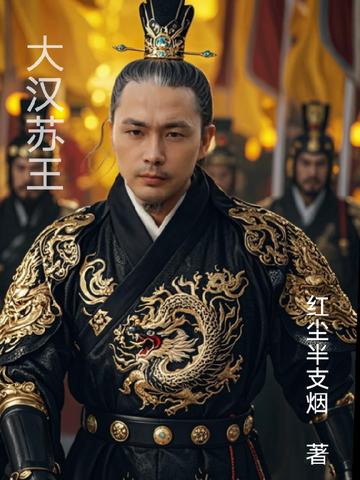
The Great Han's Prince Su
大汉苏王
- Status
- Completed
- Length
- 85k Words
- Genre
- Historical
- Subgenre
- Historical & Ancient
- Updated
- 1y ago
- Source
- Fanqie
Synopsis
23Chapters
58Reads · all time
More by this author
 Bachelor’s Day
 There’s a Taoist Priest on Mars 2: The Primordial Era
 There’s a Taoist Priest on Mars
 Return to Zhongshan During the Three Kingdoms Period
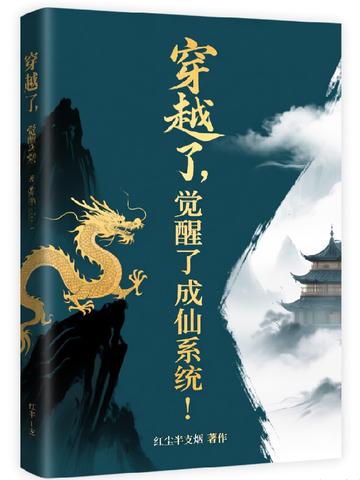 Traveled Through Time and Awakened the Immortal System!
 Begin as an Earth Immortal
 Chaos in Another World
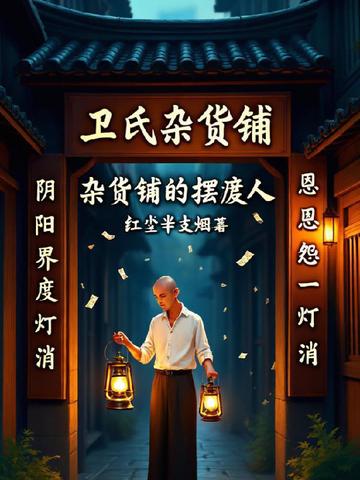 Grocery Store Ferryman
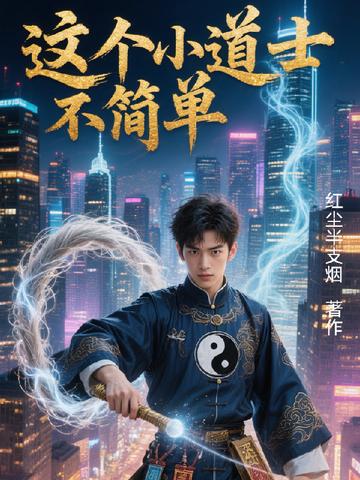 This Little Taoist Priest Is No Ordinary Man
 Three Lifetimes of Wealth and Destiny
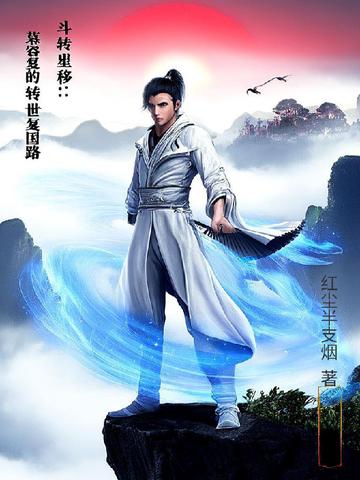 Stars Shift: Murong Fu's Reincarnation and Quest to Restore His Kingdom
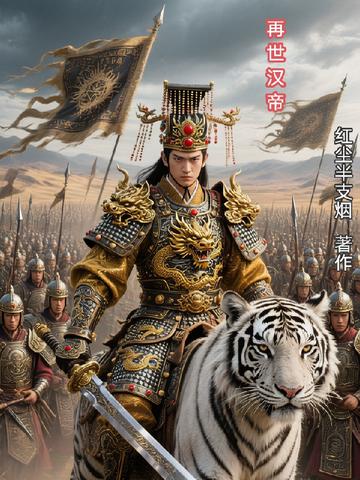 The Han Emperor Reborn
In booklists 3
The Kind of Story You Keep Following and Have Read Before, Even If It Leaves You Unimpressed, Yet Is Still Readable
51Books3.5kViews6moUpdated
Is There Any Book Like "Oops, Qin Shihuang Stole My Knowledge"
Are there any books like "Oops, Qin Shihuang stole my knowledge" and "Rescuing the Emperor at the Beginning of the Alien Invasion"
71Books239.1kViews8moUpdated

Highly Recommend Giving These a Try
I want to read something similar to After Graduation, I Refuse to Be a Wage Slave and Become a Bounty Hunter. It is currently the only ongoing novel I cannot bear to drop.
122Books18kViews1yUpdated
Reader comments 1
Translated by Google Translate
Book Review: "King Su of the Han Dynasty" - an epic of loyalty spanning three thousand years Rating: ★★★★★ (classic must read) At a time when fast food literature is rampant, "Su Wang of the Han Dynasty" is like a clear spring, reactivating the Chinese spiritual totem of "Su Wu Sheep" with its majestic historical heritage and exquisite modern narrative. Through a dual-line narrative, the work perfectly interweaves the heroism of the Western Han Dynasty envoy Su Wu's shepherding sheep in the Beihai with the suspense of the modern maintenance worker Su Yuan's discovery of the truth, constructing a civilizational dialogue spanning three thousand years. Three highlights: 1. An excellent balance of history and fantasy: The author uses rigorous research to restore the frontier style of the Han Dynasty, and boldly incorporates fantasy elements such as reincarnation and magic weapons. The setting of the bronze sword oozing clear water not only echoes the allusion of "Su Wu was thirsty and drank the snow", but also endows the cultural relics with spirituality, which is a stroke of genius. 2. Humanized hero creation: Breaking the symbolic image of Su Wu in traditional narratives and showing his fragility and struggle in the cold, loneliness and homesickness. Especially the emotional line with the Hun woman Ayuna, which transforms national hatred into understanding and redemption, is deeply touching. 3. The symbolic meaning of the artifact system: artifacts such as banners, bronze swords, and silver ornaments have been used throughout ancient and modern times. They are not only plot links, but also carry the cultural gene of "loyalty and righteousness". When the seven-star mark appeared on the arm of modern Su Yuan, a shocking spiritual inheritance ceremony was completed. Reading experience: The underground palace exploration in the opening chapter is full of tension, the description of survival in the North Sea in the middle chapter is immersive, and the decisive battle with the sand demon in the extra chapter pushes the fantasy atmosphere to a climax. The scenes of Zhang Daochang's sacrifice and the awakening of the Seven Star Sword are as visual as those of top film and television scenes. What is particularly worth mentioning is that the work's description of the ecological changes in Liangzhou gives the traditional spirit of loyalty a new interpretation of environmental protection, which is extremely practical and enlightening. For readers: - History buffs (rigorous research on the style of the Han Dynasty) - Fans of fantasy literature (exquisitely designed supernatural system) - Emotions to readers (poignant love across nationalities) - Cultural thinker (modern expression of traditional spirit) Excerpts of golden sentences: "Three thousand years of wind and sand cannot erase the marks on the banners, just as time cannot dilute the loyalty in the blood." "When the bronze sword turned into starlight and sank into the blood, modern people finally understood the code of their ancestors" The most shocking thing about this work is that it makes readers believe that the moral stories in textbooks were originally thrilling epics of life; and that the ancients had already given answers to the dilemmas we face today. "King Su of the Han Dynasty" is not only a novel, but also a revelation about how cultural genes continue to grow through time and space.