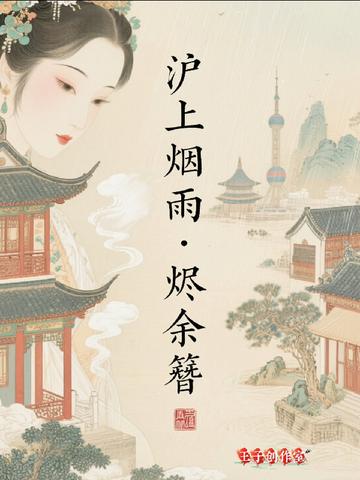
In Shanghai in the 1920s, a ten-mile foreign market was intertwined with neon lights and artillery fire. Su Hengqing, an orphan from Suzhou Embroidery Village, came to escape the disaster with a mutton-fat jade hairpin engraved with the word "". She makes a living by stunning Suzhou embroidery, but she doesn't know that the hosta hides grudges from the previous generation related to the silk giant Shen family, and is also implicated in the mystery of the fire that destroyed the family. Shen Yanzhou, the heir to the Shen family who returned from studying abroad, was involved in the business war to revitalize the national textile industry because of the hosta pattern and Su Hengqing's mysterious embroidery. She was involved in the whirlpool of foreign capital encirclement and family strife.
The approach of the gentle painter Lin Muyan, the hostility of Shen Yanzhou's fiancée Gu Mansheng, and Shen's father's unusual attention to the hosta made Su Hengqing gradually discover that the hosta was not only a token of love, but also contained the industrial heritage code of the Shen family's resistance to foreign investment. When business war conspiracies, identity conspiracies and war crises arise one after another, Su Hengqing uses embroidery to break the situation, and Shen Yanzhou steps up to protect the child. The two see through their grudges in the troubled times and combine traditional skills with the ideal of industrial salvation. The hosta, which had gone through the ashes of the mist, eventually became a legendary testimony of the independence of women in the old era and the perseverance of the national industry, and also forged a love story in the Republic of China that spanned life and death.