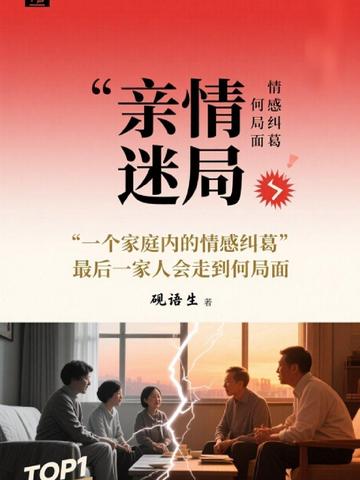
The Family Trap, also known as The Threads of Life, is set in the family compound of a cotton mill in Qinghe City, from the 1980s through the 2010s. Through more than thirty years of tangled fates among the four Lin sisters, it explores the complex ways family ties are shaped by clashes of interest and the tides of history.
The novel centers on Lin Shufen's marriage, showing how family ties are twisted into tools for personal gain by characters like Li Jinbao:
From financial control to emotional manipulation, from forging relevant declarations to driving wedges between siblings, the abuse ultimately brings down family ethics, pits the sisters against one another, and intensifies conflicts between generations.
This corruption is not limited to one relationship. It spreads through the whole family:
Lin Shufang faces jealousy and turmoil caused by class differences; Lin Shuhui is torn between mediating and protecting herself; and Lin Jianjun is trapped between the belief that education can change one's fate and his responsibilities to the family. Together, their stories portray family ties breaking and struggling under the weight of reality.
The story remains anchored in the collective pain of a society in transition:
The restructuring of state-owned enterprises destroys workers' sense of belonging, the speculative mindset of the early market economy erodes traditional ethics, and women repeatedly fight their way out from between the expectations of being “good wives and loving mothers” and their awakening desire for independence.
At the same time, the sisters' difficult reconciliation, shadowed by a looming inheritance dispute, raises the question of whether redemption after trauma can truly take root:
The resilience of blood ties and the corrosive power of self-interest remain locked in a struggle, exposing the fragile nature of family relationships.
In the end, like warp and weft, the novel weaves individual fates tightly together with the patterns of the times. The Lin family's joys and sorrows become a close-up of social change after Reform and Opening Up, while the struggle between self-interest and blood ties delves into the darkness and glimmers of light deep within human nature.






The characters are three-dimensional and plump, the plot is compact and not procrastinating, and it vividly depicts the helplessness and pain of most women of that era. The description of human nature is profound, realistic, thought-provoking, and highly recommended as a good article!!!
Real and objective, clear structure.
He wrote about the smell of fireworks in the world, This novel is close to life. It is in line with the social development at that time and the living conditions of people in that environment. It is a good life work and I look forward to its subsequent development.