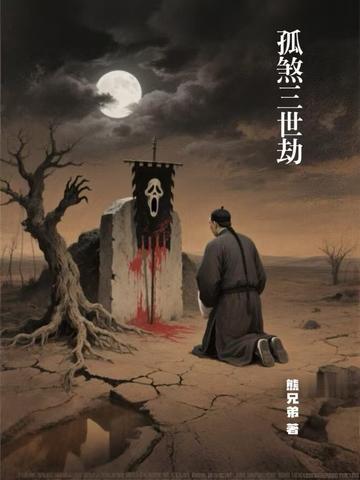
During the Jiaqing era, a vicious prophecy declaring, “The clan will perish in three generations, wiped out root and branch,” plunged the impoverished Chen clan into despair. Desperate for a chance at survival, the clan members conspired to force the parents of the protagonist, Chen Chengye, to sacrifice themselves in a blood rite, stealing a forbidden sorcery from the tomb of Liu Jinliang, a powerful eunuch of the previous dynasty. It promised riches in exchange for a life without descendants.
Bearing the blood sacrifice of his parents and the hopes of his entire clan, Chen Chengye changed his surname to Liu and carefully worked his way up in the capital, eventually becoming a fabulously wealthy imperial merchant. But the fortune he gained from a eunuch’s “barren fate” was a poisoned gift. When he tried to continue his bloodline and bring glory to his family, the backlash of Heaven’s punishment arrived as foretold: ships sank and cargo was lost, his beloved son died suddenly, and everything began to fall apart.
After losing his wager against Heaven and being betrayed by the entire world, Chen Chengye plunged into madness and struck a deal with an even more wicked sorcerer, Ghost-Faced Tuo. He wielded the forbidden art of “stealing fortune” like a blade and offered his own flesh and blood as sacrifices, launching the bloodiest, most ruthless revenge against an unjust fate. He sacrificed his wife, seized his adopted son, and kept innocent people like livestock, step by step transforming himself into a devil more terrifying than the curse itself.
But defying Heaven to change one’s fate was ultimately a fleeting dream. When all his sins had woven themselves into the inescapable net called the “Marks of Fate,” the final judgment was bound to come. Was this a desperate gamble to prove that human will could triumph over fate, or a tragic song whose ending had long been decided, spanning three generations?
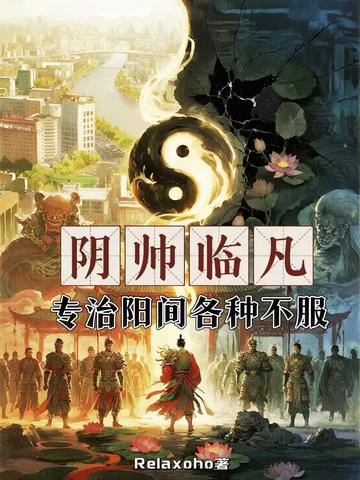 The Underworld Marshal Descends to the Mortal Realm, Putting All the Defiant in Their Place
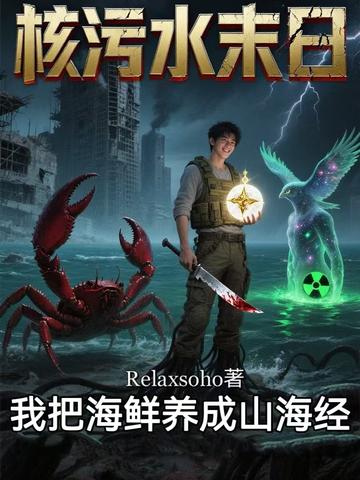 Nuclear Wastewater Apocalypse: I Raise Seafood into Creatures from the Classic of Mountains and Seas
 Reborn in the 1970s, Turning a Rogue Husband into a Rich Man
 Bureau 213: My Dreams Can Leech Off Wi-Fi
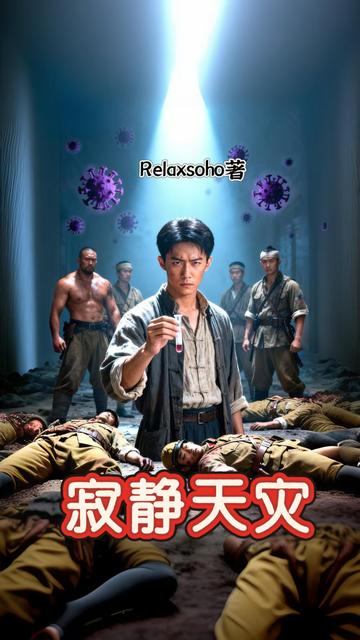 Silent Catastrophe
Not bad: a classic novel with a strong sense of history👍