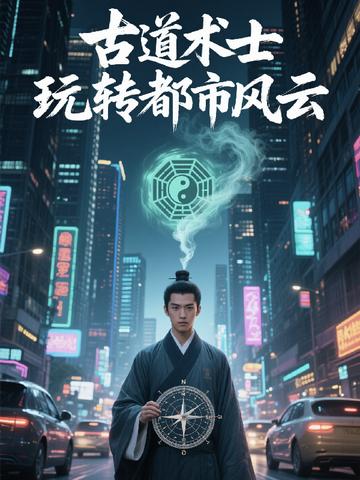
When a wisp of green smoke drifted out of an office building’s air-conditioning vent and traced the outline of a bagua diagram across its glass facade, no one imagined it was the first glimmer of Xuan Qing’s Daoist heart.
He stepped out of an ancient scroll and plunged into an urban jungle woven from neon and data. The crowds in suits saw him as an oddity, but with a single glance of his spiritual sight, he could see the currents of feng shui flowing beneath layer upon layer of buildings. After one chance attempt to persuade someone failed, he realized that modern people believed in neither ghosts nor gods, only results. So he donned a business suit and entered the commercial battlefield: the true chessboard of fate.
One predicament followed another: he was mistaken for a con artist, ostracized by corporate executives, and mired in a crisis of trust. Yet each time, Xuan Qing used divination to find a way through and changed people’s fates with feng shui to establish his authority. His spiritual eye saw not only wealth positions shifting, but also undercurrents in people’s hearts. A feng shui adjustment in an office turned a nearly bankrupt company around; an accurate reading brought a failing project back to life. But the greater his fame, the deeper the hostility. Unscrupulous businessmen coveted his skills, fraudulent mystics set traps to frame him, and even a mysterious organization began closing in.
The price gradually became clear. The principles he had once upheld wavered time and again in the face of profit; the metaphysics he had once taken pride in came under siege from the logic of technology. And the deepest rift lay among allies who seemed kindhearted.
When an ancient Daoist heart meets the rules of capital, and metaphysical wisdom clashes with the laws of reality, what should humanity choose?