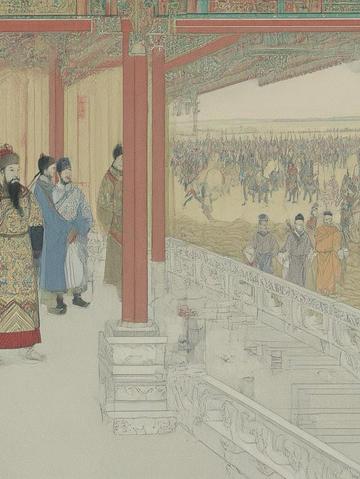
The Qing Dynasty (1636-1912) was the last feudal dynasty in China, with a total of twelve emperors. In 1616, Nurhachi founded the Later Jin Dynasty. In 1636, Huang Taiji changed the name of the country to Qing Dynasty. In 1644, the Qing army entered the customs and established Beijing as its capital. It reached its peak during the Kangxi and Qianlong periods, but later declined due to political corruption and isolation from the country. After 1840, it was invaded by foreign powers and signed many unequal treaties. The Revolution of 1911 broke out in 1911, Emperor Xuantong abdicated in 1912, and the Qing Dynasty was destroyed. This laid the foundation for China's modern territory. The history of the late Qing Dynasty also prompted China to embark on its modernization transformation.