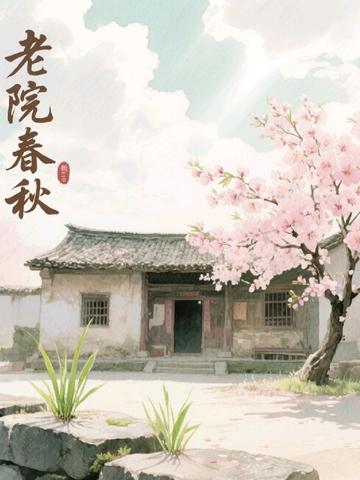
The north wind always finds its way through the cracks in the door. The Xu family’s earthen house, its eaves hung with icicles, has stayed lit from the kerosene-lamp days of the 1970s to today’s flashing neon. The old couple’s rough hands wore through thirty-six pairs of cloth-soled shoes, yet they still managed to raise five children from runny-nosed little ones into adults who put down roots in the city.
But as life grew more comfortable, conflicts under the eaves sprang up like weeds. The new daughters-in-law complained that the stove was too dirty, and the sisters-in-law would glare daggers at each other over the eggs laid by the old hen. There was the Eight Immortals table overturned when the family split up, the coarse porcelain bowls smashed to pieces, and, after the grandchildren were born, the sons arguing themselves red in the face over who got to help raise them. These ugly affairs rolled through the courtyard again and again.
The jujube tree in the courtyard turned green and yellow, and the old couple’s hair grew whiter than the salt flats. The hardships of chewing wild greens in famine years and borrowing money to pay school fees on snowy days slowly fermented over the long years. When the little grandsons and granddaughters clung to their grandparents’ legs and begged for affection, the wind beneath the eaves finally stopped carrying the scent of gunpowder. It turned out that the bonds of blood had long since simmered life’s prickles into a warm bowl of millet porridge. This is no mere story about the Lao Niu family. It is the shared memory of countless Chinese families, written amid the tide of the times.