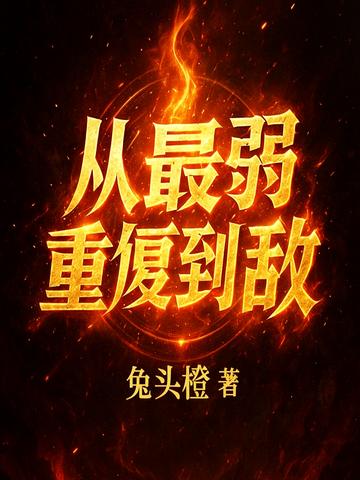
"Others rely on talent, I rely on muscle memory."
"While others advance to a level, I practice a hundred times."
"There are no useless skills, only people who don't practice them."
Lin Zhiqiu relied on a wooden sword and practiced every move to the extreme, rushing into the front line step by step!
When ordinary skills become the most terrifying killing moves, the whole world goes silent...
Reader comments
It sounds weird to read, but I looked up the word "geiwei" in Japanese (じみ) and it has a clear meaning:
The main meaning is "simple, unobtrusive, low-key" and can be used to describe people, clothing, styles or things, etc. For example:
- When describing people, it means that their character or appearance is unassuming and simple;
- To describe clothing, the style is simple, the color is not bright, and it is not fancy;
- Describe the style, for example, "diwei nazhu" means "simple dress".
This word is a common word in Japanese, and now it often appears in Chinese-speaking Japanese enthusiasts' communication or related contexts.
It sounds weird to read, but I looked up the word "geiwei" in Japanese (じみ) and it has a clear meaning: The main meaning is "simple, unobtrusive, low-key" and can be used to describe people, clothing, styles or things, etc. For example: - When describing people, it means that their character or appearance is unassuming and simple; - To describe clothing, the style is simple, the color is not bright, and it is not fancy; - Describe the style, for example, "diwei nazhu" means "simple dress". This word is a common word in Japanese, and now it often appears in Chinese-speaking Japanese enthusiasts' communication or related contexts.