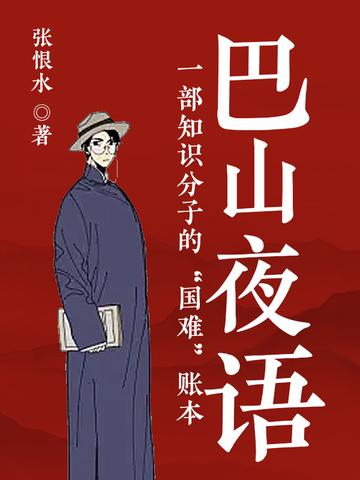
Set in the ravine villages in the rear areas of Chongqing during the Anti-Japanese War, it focuses on the wartime survival of a group of intellectuals.
The work delicately depicts the daily life of university professor Li Nanquan, his family, and neighbors under the pressure of continuous air raid warnings, lack of supplies, and soaring prices.
In the embarrassment of "sweeping the floor", Li Nanquan insisted on the poverty and dignity of an intellectual. While writing to make ends meet, Li Nanquan pondered the fate of his family and country and his personal value under the vegetable oil lamp.
Through trivial daily details - the anxiety of avoiding the alarm, the calculation of fuel, rice, oil and salt, the comparison and mutual assistance between neighbors, the warmth and friction between husband and wife, the worry about the war ahead, the disdain for those who are struggling to make money - the novel profoundly shows the double squeeze of the war on the spirit and material of ordinary people, as well as the depression, hesitation, perseverance and weak brilliance of humanity experienced by ordinary intellectuals in the torrent of the era that is about to come.
Reader comments
A sentimental epic of the Anti-Japanese War, the tenacity and sentiments of the literati in troubled times are moving.
A sentimental epic of the Anti-Japanese War, the tenacity and sentiments of the literati in troubled times are moving.