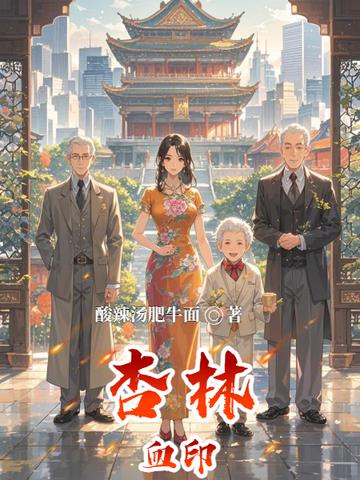
This is a story about traditional Chinese medicine, inheritance, and how to keep one's heart in the tide of the times. The hand of time started from the end of the Qing Dynasty and the beginning of the Republic of China, passed through the warlords' melee and the war of resistance against Japan, and finally stopped at the dawn of the founding of New China. The protagonist of the story is "Xinglin Tang", a family of traditional Chinese medicine in Qingyan Town, an ancient town in the south of the Yangtze River. Four generations guard the medicine cabinets with peeling vermillion paint and yellowed ancient medical records. In the stormy years, they use herbal medicine and silver needles to weave a line of defense for life.
This is not a simple legend of traditional Chinese medicine, but a spiritual map of a generation of Chinese people in troubled times. When artillery fire destroyed medicine fields, they planted new herbs on the ruins; when prejudice questioned the value of traditional Chinese medicine, they blocked all slander with its curative effect; when invaders tried to destroy life with germ warfare, they used the benevolence of doctors to weave the strongest line of defense. Traditional Chinese medicine here is no longer a simple medical skill, but a reverence for life, adherence to tradition, and responsibility for the country.
When you close this book, you will see the old apricot trees in Qingyan Town blooming in the flames of war, the angelica in the medicine cabinet fragrant over the years, and the silver needles twinkling under the candlelight. These images are intertwined into one sentence: A true doctor heals not only diseases, but also the wounds of an era; a true inheritance maintains not only skills, but also a benevolence that has not changed for thousands of years. This is the story of Xinglintang, and it is also the story of all the Chinese who persevered in troubled times - they used their flesh and blood to become bridges, allowing ancient wisdom to pass through the smoke of history and lead to today's spring.