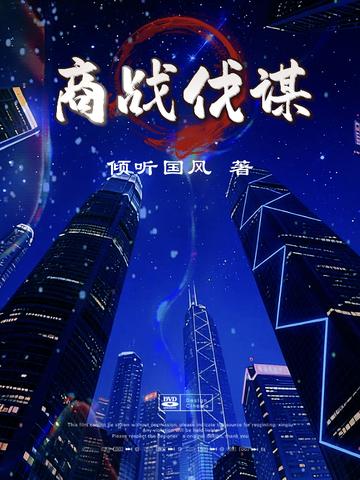
In Shenzhen Capital in Central, Hong Kong, Shangyin used the "Cultural Code" system to accurately attack Xinghai Media, using the emotional resonance in the field of cultural consumption to stir up the capital chess game. Gu Jianfeng of Taiping Peak regarded it as a "wonderful skill", but secretly dispatched commercial spies and linked up with regulatory authorities to suppress it with the cudgel of public opinion that "Western algorithms threaten cultural security". When the investigation team moved in, accounts were frozen, and the "patriotic" flag became a frame-up weapon, Shangyin understood his opponent's arrogance of cultural hegemony, resolutely disbanded the company and open sourced the algorithm - folk wisdom then burst into life in the queuing patterns of milk tea shops, the spread of square dances, and the prediction of intangible cultural heritage protection. An appraisal game surrounding the authenticity of the Song Dynasty's "Nine Songs of Chu Songs" tore apart the pretense of capital under the bright light of Sotheby's auction room, allowing the hunter who was obsessed with the illusion of cultural orthodoxy to finally collapse as his prey. When culture becomes a weapon of capital, who can decipher the real operating code of this era?