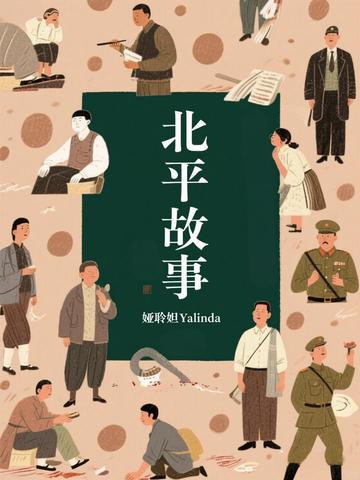
Taking Peiping (Beijing), a thousand-year-old imperial capital, as the stage, it focuses on the turmoil of the thirty years from the beginning of the May Fourth Movement in 1919 to the peaceful liberation of 1949. Through the personal experiences of protagonists from multiple classes, occupations, and positions (intellectuals, lower-class citizens, businessmen, entertainers, soldiers, scholars, students, underground workers, etc.), The story depicts how Peking struggled, ups and downs, persisted, and transformed in the waves of the times. Using vivid details, humorous writing, and profound observations of human nature, it shows how Peking's unique cultural texture survives the baptism of artillery fire and revolution, and explores the intertwined fate of "city" and "people" in the great changes in history. In the end, it comes down to one core proposition: the charm of Peking has never been just the center of power, but also the "soul" forged by the fireworks of the city and the blood of culture.
Not bad, worthy of praise