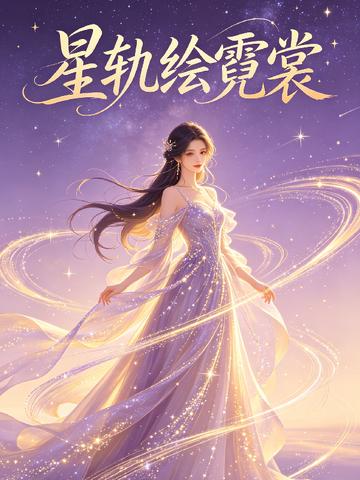
Genius holographic designer Gu Qiongming, with the dream of "using light as a pen to recreate civilization", led the student team "Light Weaver" to tackle the "Cultural Spectrum Rendering System". They transformed the thousand-year-old colors of Dunhuang murals into flowing light waves through Fourier transform, and worked hard to create the "Dunhuang Star Track" holographic art concert. However, Wei Zhenshan, a representative of the traditional physical theater alliance giant "Panshi Group", regarded it as a threat and strongly resisted. Faced with the deadlock, Gu Qiongming found a new way and cooperated with Yun Pian, a "Rookie in Liyuan" who is obsessed with opera innovation, to create a "virtual and real co-performance" model - real actors and holographic avatars complement each other on the stage to interpret a dialogue that spans time and space. From precision debugging in the laboratory to stunning auditions in small theaters, from breakthroughs in technical bottlenecks to collisions of industry concepts, Gu Qiongming relied on his deep understanding of the nature of art and technological innovation to not only make the thousand-year-old Dunhuang "alive" in light and shadow, but also contributed to the birth of the Ministry of Culture and Tourism's "Regulations on the Promotion of Immersive Art Industry", drawing a charter for an artistic future in which virtuality and reality coexist. This is a symphony of light and shadow, new and old, inheritance and innovation, a romantic journey that uses technology to awaken cultural genes.