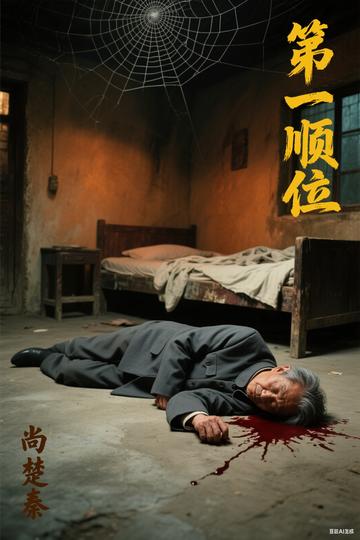
"First Place" uses "inheritance" as a sharp cut to cut through the desires, traumas and redemptions of lower-class families, weaving the cold logic of legal provisions and the warmth, distortion and struggle of human nature into a dense web, which not only shows the roughness and cruelty of reality, but also retains the glimmer of spiritual breakthrough. The value of its text lies not only in the suspenseful tension of the plot, but also in the profound questioning of propositions such as "law and human relations" and "trauma and reconciliation". The ending becomes the key point to connect all the contradictions and complete the sublimation of the theme.
The genius at the end of the novel lies in transforming the meaning of "first in line" from "legal inheritance rights" to "spiritual self-inheritance" - what Lin Mo ultimately pursues is no longer "to become the sole heir", but "to become the master of his own life." Sunshine, paintings, baby photos, and conciliatory nods, these images together construct a "picture of redemption": tragedy cannot be reversed, but trauma can be faced, hatred can be resolved, and the glimmer of humanity can finally penetrate the haze of desire.
"First Place" is not only a family tragedy novel, but also a mirror: it illuminates the game of human nature under legal rules, and also illuminates the possibility of redemption behind trauma - the real "right" is never the possession of others, but the acceptance and transcendence of oneself.