"In troubled times, heroes emerge, and heroes' dreams are robbed." Looking at the map of Northeast China in the 20th year of the Republic of China, the five-color flag on the top of Taonan City looked particularly dazzling in the cold September wind. Under the flagpole, sixty-four-year-old Zhang Haipeng stroked the pockmarks on his face and looked at the armored train winding outside the city. He suddenly remembered the winter night thirty-eight years ago when his relatives were bloodbathed. At that time, he was still a bandit leader called "Dalian", but now he had to personally open the north gate of Northeast China for the Japanese Kwantung Army.
Zhang Haipeng's life is a typical portrayal of speculators in troubled times. He could have become a hero against the enemy, but he became a national sinner due to his selfish desires. His story warns future generations: In the face of national justice, any speculation and betrayal will eventually pay the price.
"The horse's hooves are light when the snow is gone, and the ashes of calamity are cold." Before the gunshots rang out on Qingming Festival in 1951, Zhang Haipeng looked at the "Leniency for Confessions" slogan on the wall of the interrogation room, and suddenly clearly remembered the "Three Character Classic" taught by his mother in his childhood: "At the beginning of man's nature, his nature is good..." When the bullet penetrated the back of his head, the old pockmarks on his face were finally filled with belated regret.
When the dust of history settles, those betrayers will eventually be nailed to the pillar of shame for future generations to be alert to.
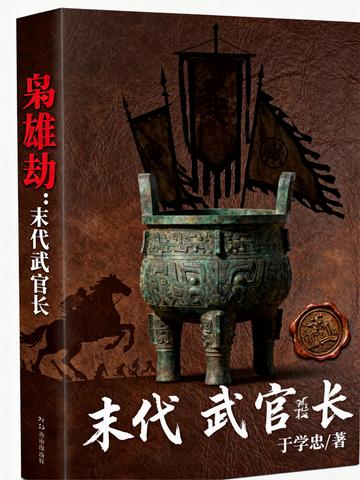
This film "The Tribulation of Heroes" is to uncover this dusty past and let future generations remember that in the face of national crisis, only integrity is immortal.